
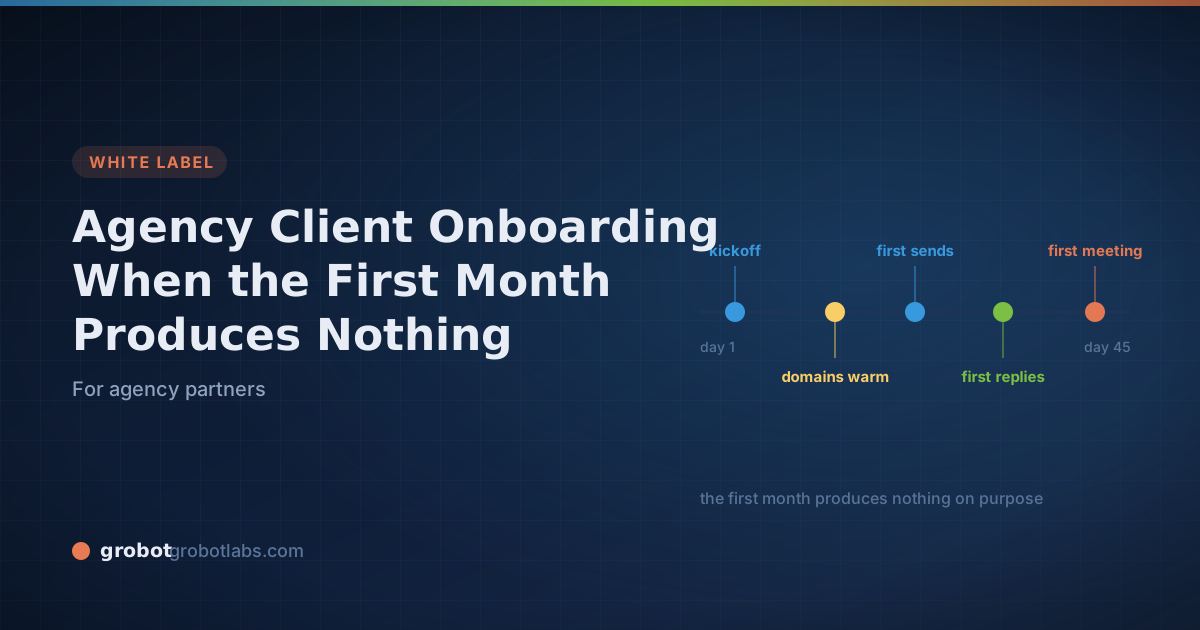
Agency Client Onboarding When the First Month Produces Nothing
Outbound has a four-week infrastructure lead time. If you have not told the client that before signing, month one is where the relationship gets damaged.
Read More →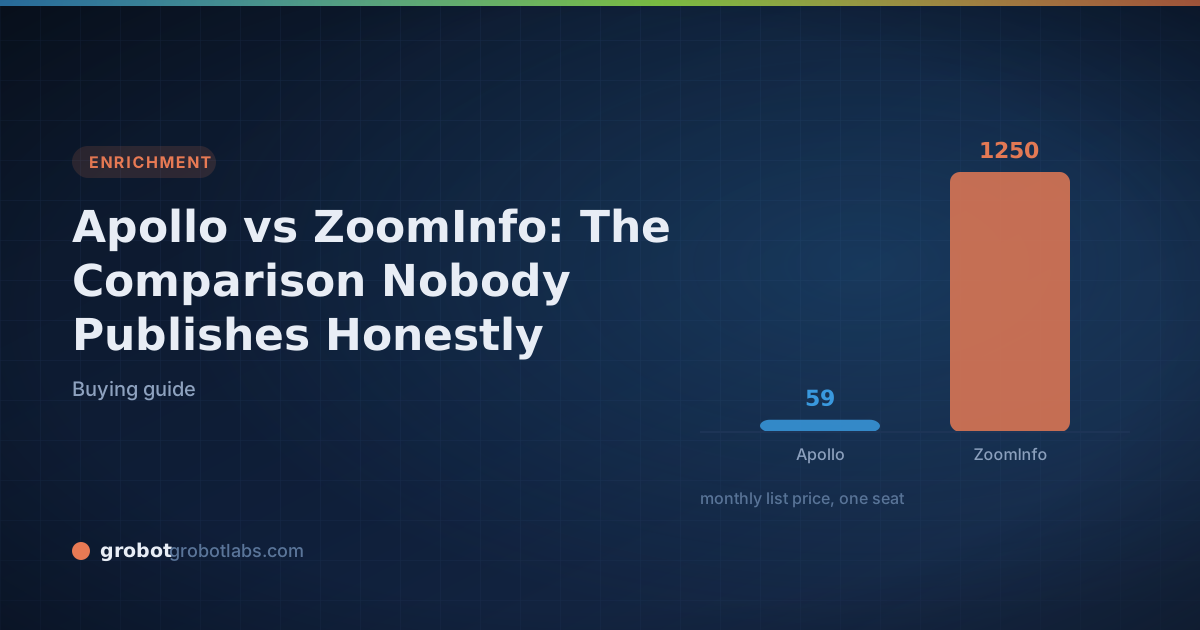
Apollo vs ZoomInfo: The Comparison Nobody Publishes Honestly
These two get compared on feature tables. The differences that matter are how the data is sourced and how the contract is structured, and both favour a conclusion vendors dislike.
Read More →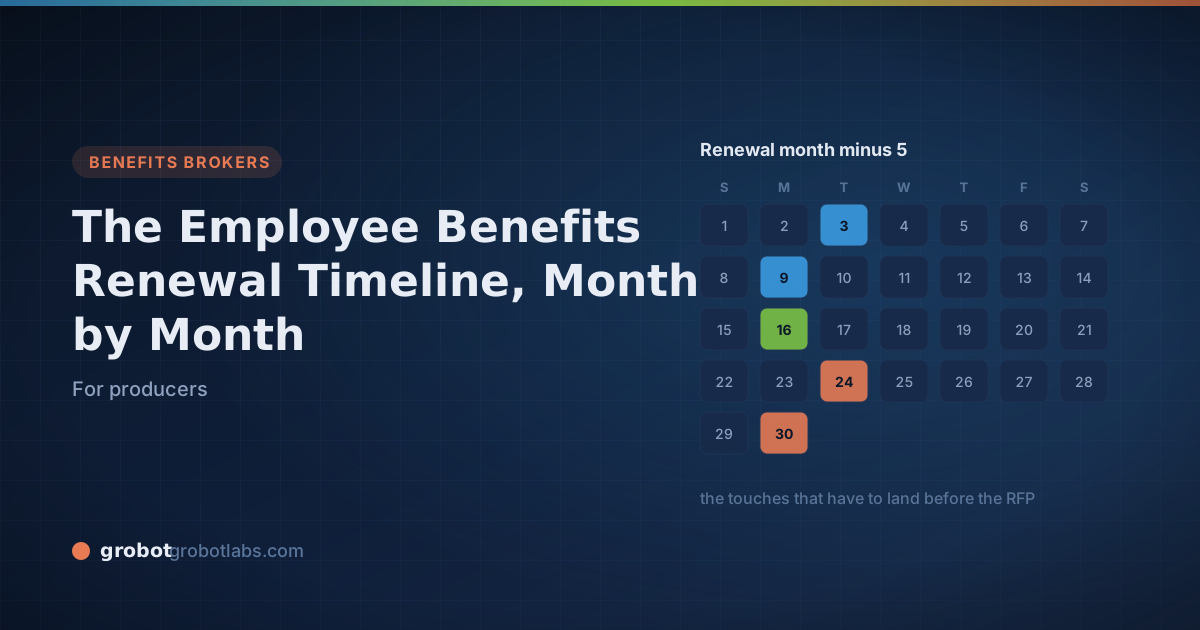
The Employee Benefits Renewal Timeline, Month by Month
Half of group health plans renew January 1. Work backwards from that and the prospecting calendar writes itself, including the four months everyone wastes.
Read More →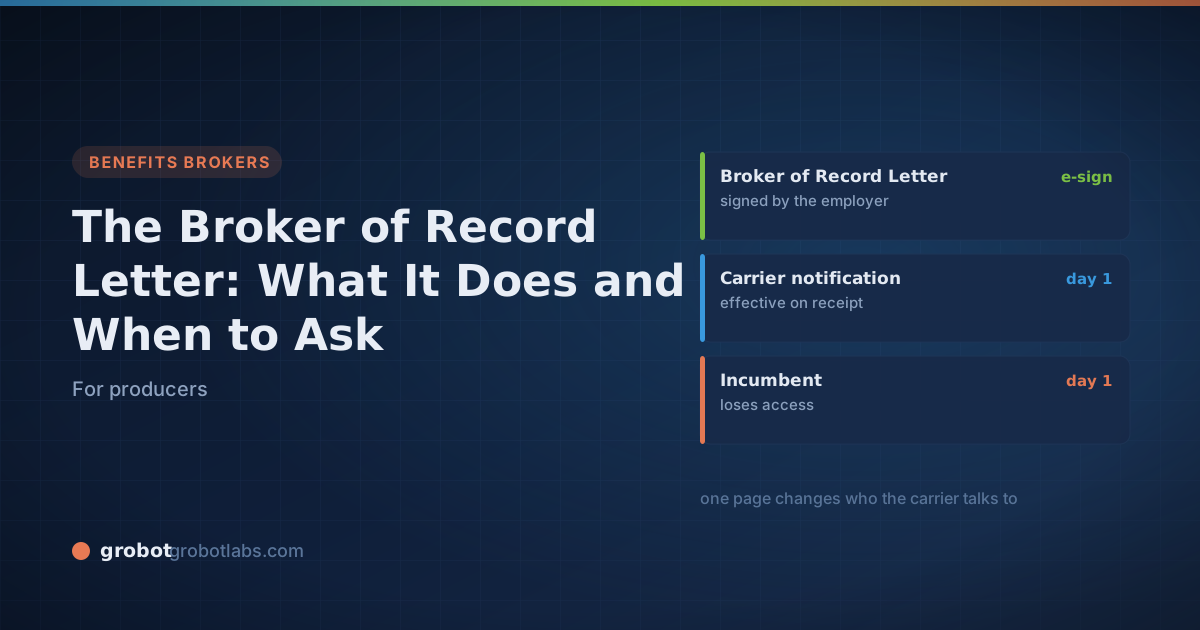
The Broker of Record Letter: What It Does and When to Ask
A BOR letter is one page and takes a minute to sign. It is also the highest-friction moment in a benefits sale, and almost none of that friction is about the document.
Read More →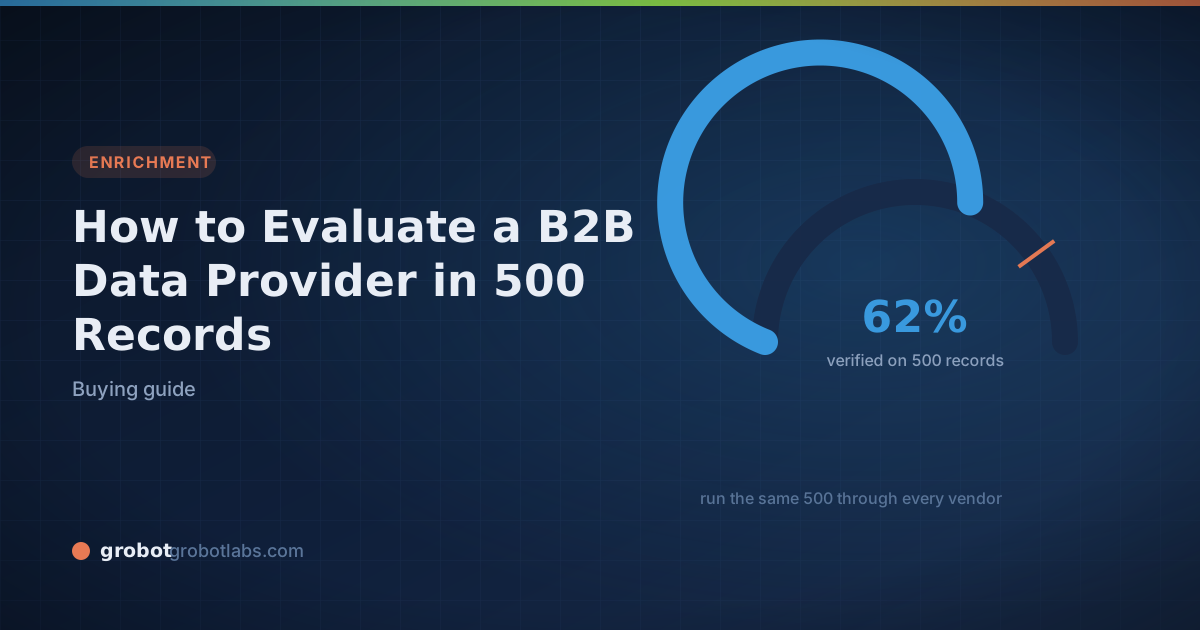
How to Evaluate a B2B Data Provider in 500 Records
Every data vendor will show you a demo search that works. The only evaluation that means anything uses records where you already know the answer.
Read More →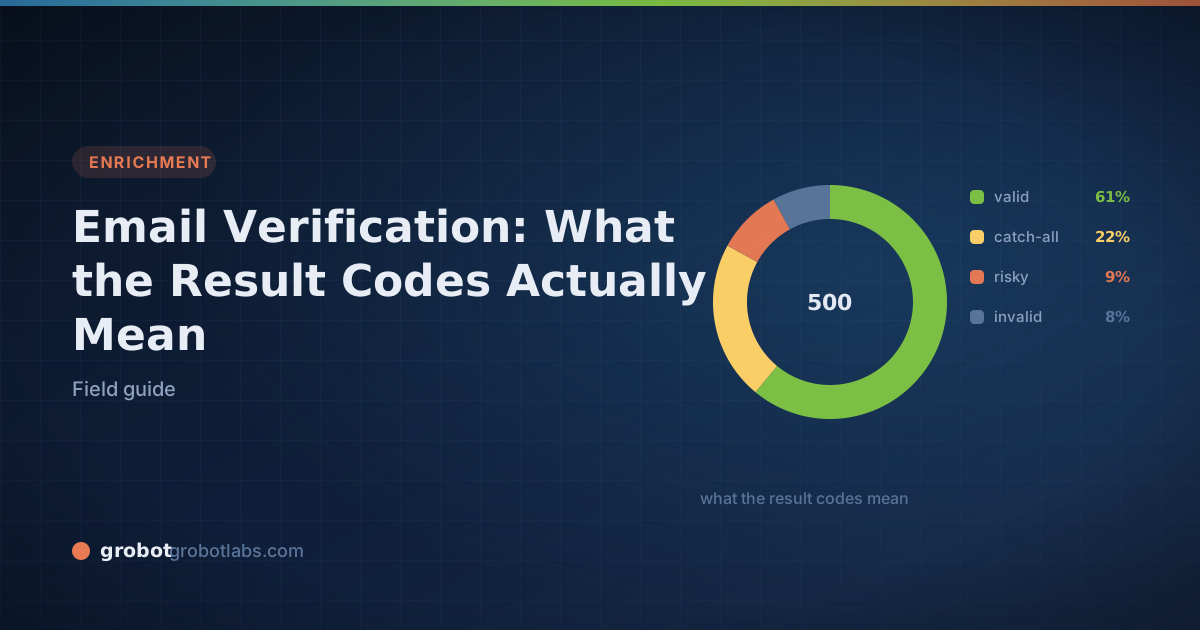
Email Verification: What the Result Codes Actually Mean
Verification returns four answers and only one of them is a yes. The other three are where teams lose domains, usually by treating catch-all as valid.
Read More →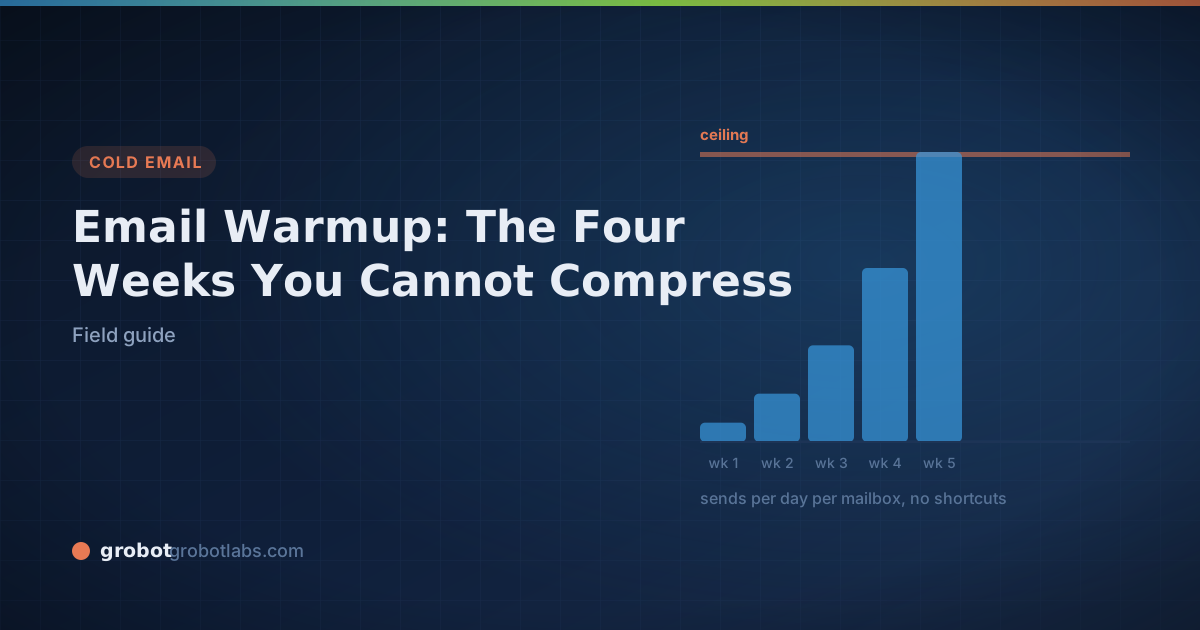
Email Warmup: The Four Weeks You Cannot Compress
Warmup is the one part of outbound with a fixed lead time. Skipping it is the most reliable way to burn a domain in its first month.
Read More →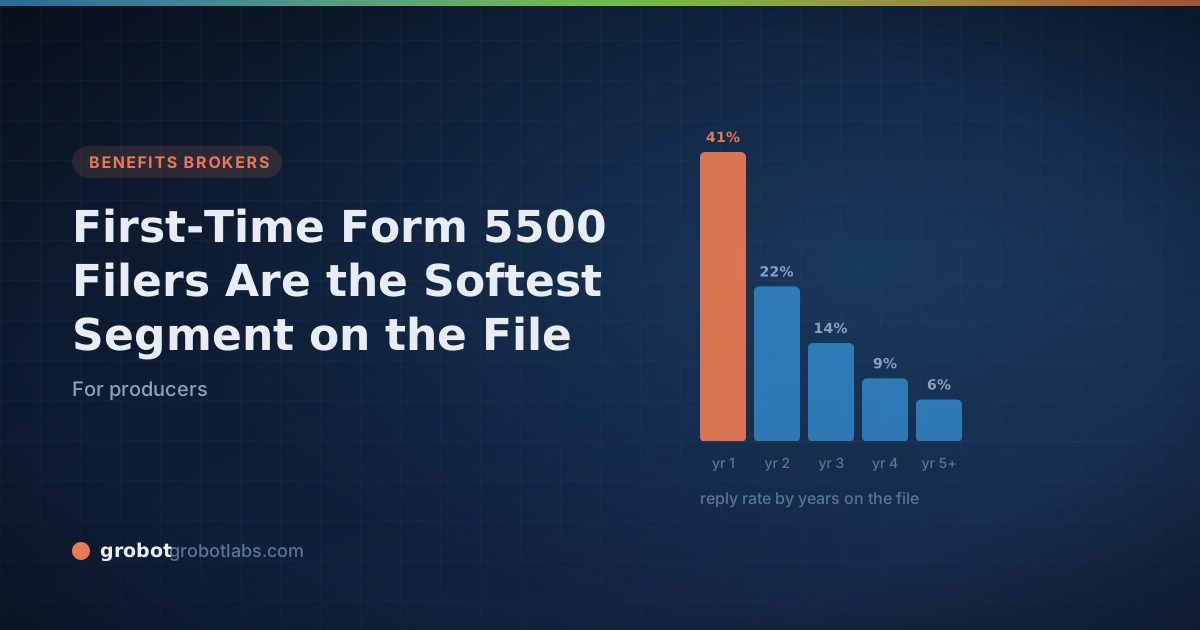
First-Time Form 5500 Filers Are the Softest Segment on the File
An employer filing a health and welfare 5500 for the first time just crossed a line they may not have known existed, often with a broker sized for the company they used to be.
Read More →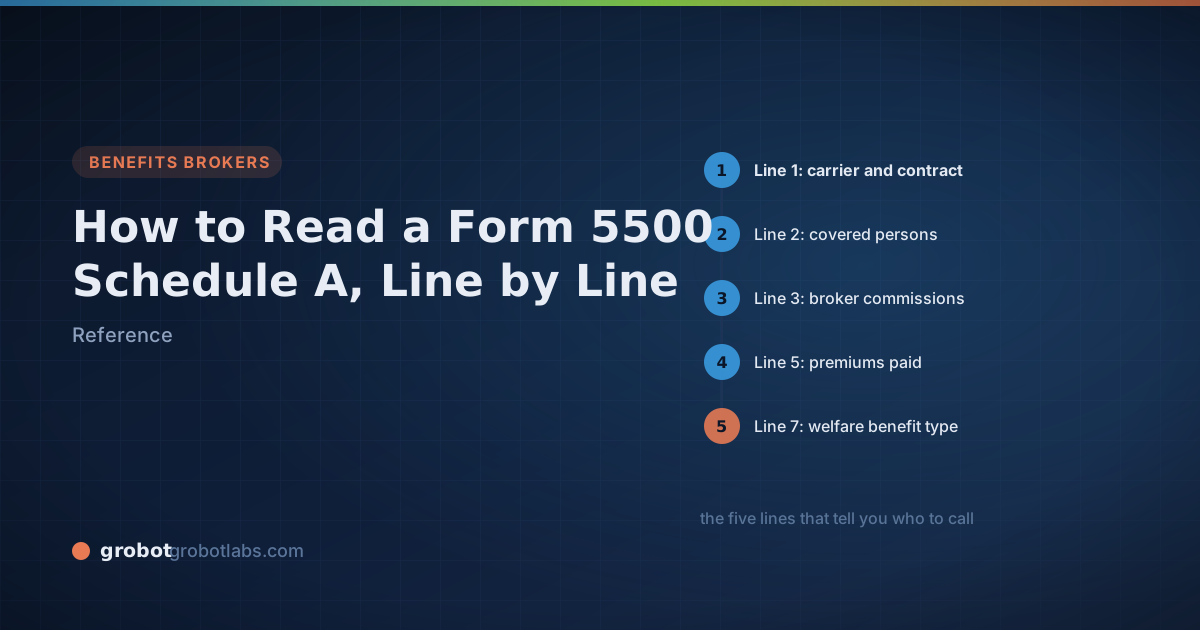
How to Read a Form 5500 Schedule A, Line by Line
Schedule A is the only public document that tells you what your competitor is being paid to service an account. Most producers have never opened one.
Read More →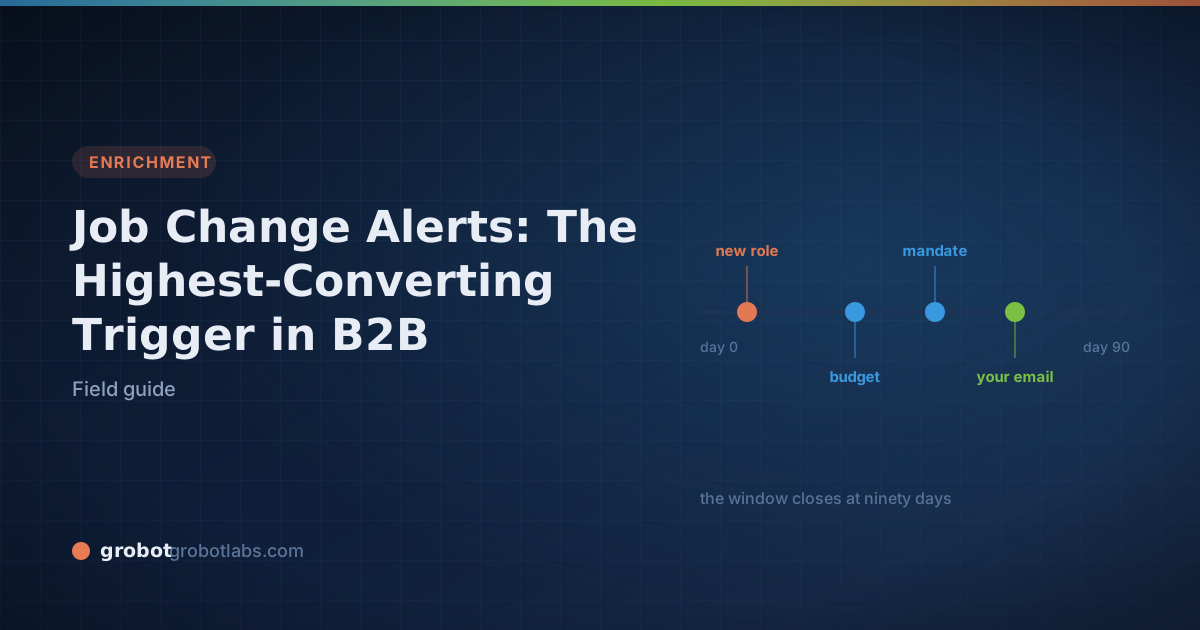
Job Change Alerts: The Highest-Converting Trigger in B2B
Someone new in a role has budget, a mandate to change something, and no loyalty to the incumbent. No other signal stacks those three at once.
Read More →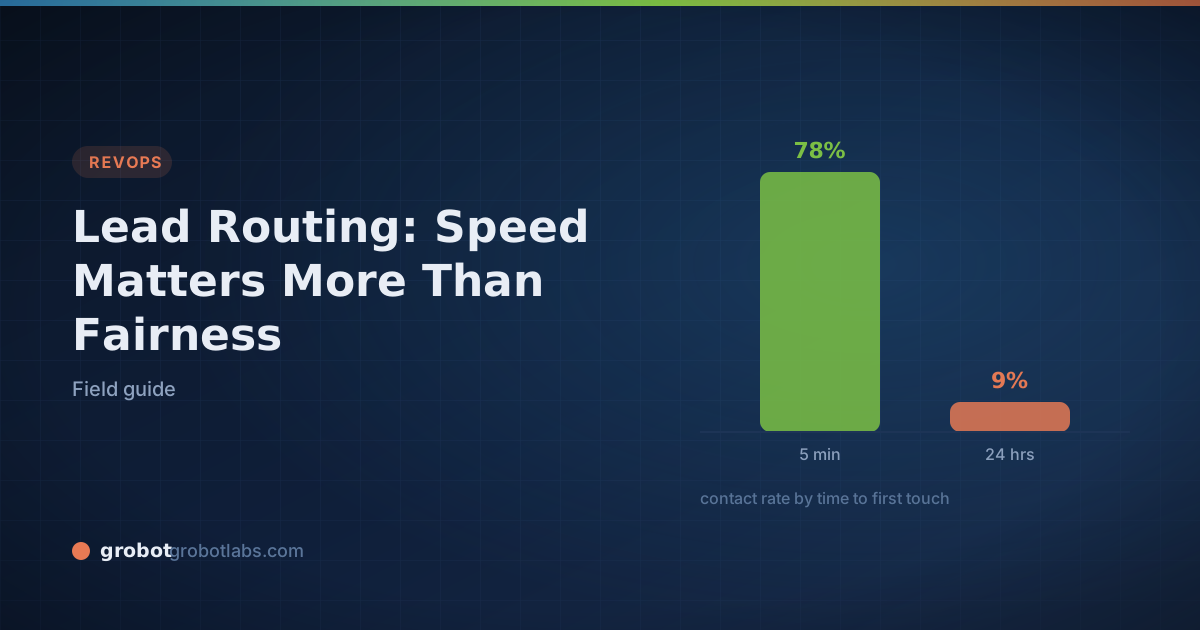
Lead Routing: Speed Matters More Than Fairness
Most routing rules are designed to distribute leads fairly between reps. The buyer does not care about fairness, and the cost of the delay dwarfs the cost of the imbalance.
Read More →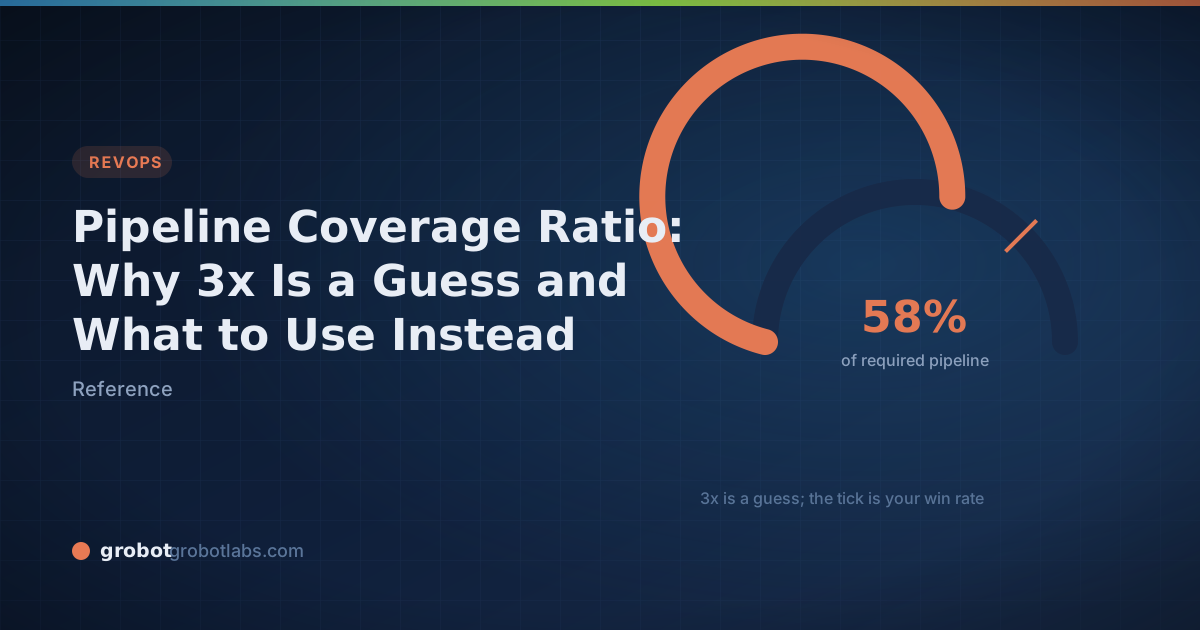
Pipeline Coverage Ratio: Why 3x Is a Guess and What to Use Instead
3x coverage is a rule of thumb someone else derived from their win rate. Yours is computable in an afternoon, and it is usually not 3x.
Read More →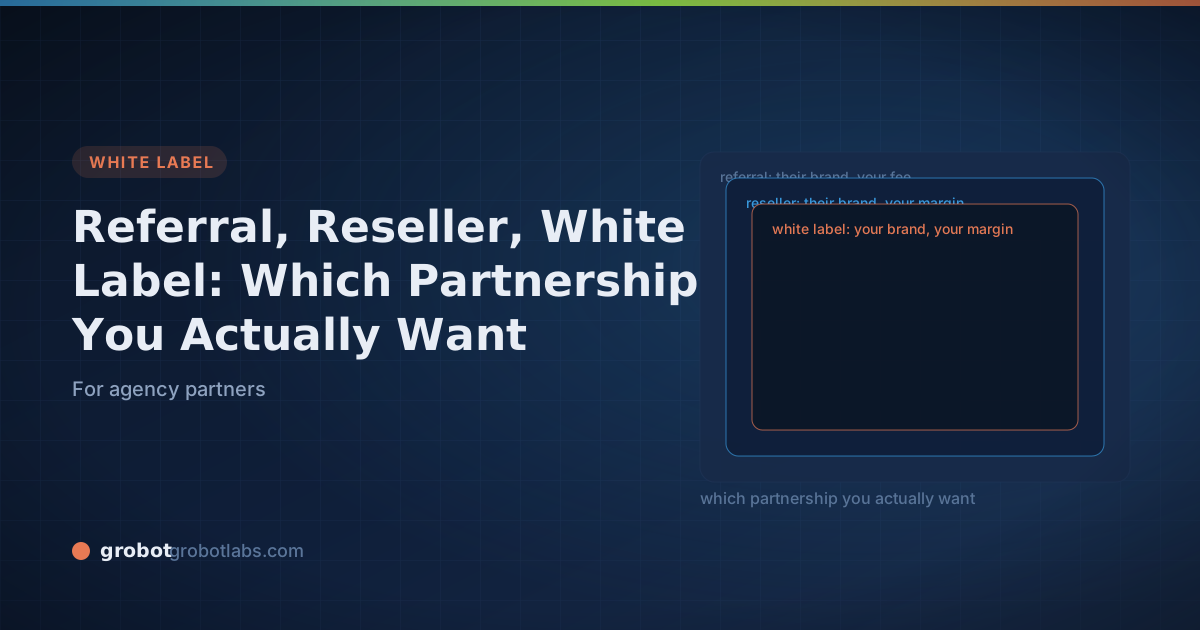
Referral, Reseller, White Label: Which Partnership You Actually Want
The three models look like a ladder of commitment. They are really three different answers to one question: who does the client think they are buying from?
Read More →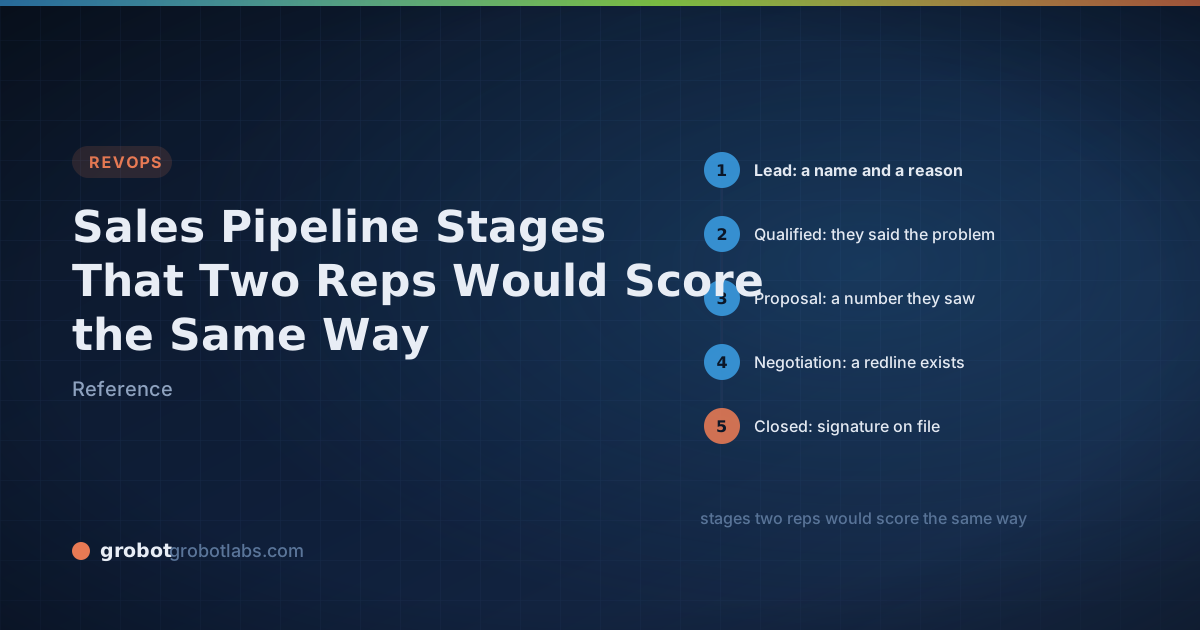
Sales Pipeline Stages That Two Reps Would Score the Same Way
If two reps would put the same deal in different stages, every number downstream (conversion, coverage, forecast) is measuring opinion.
Read More →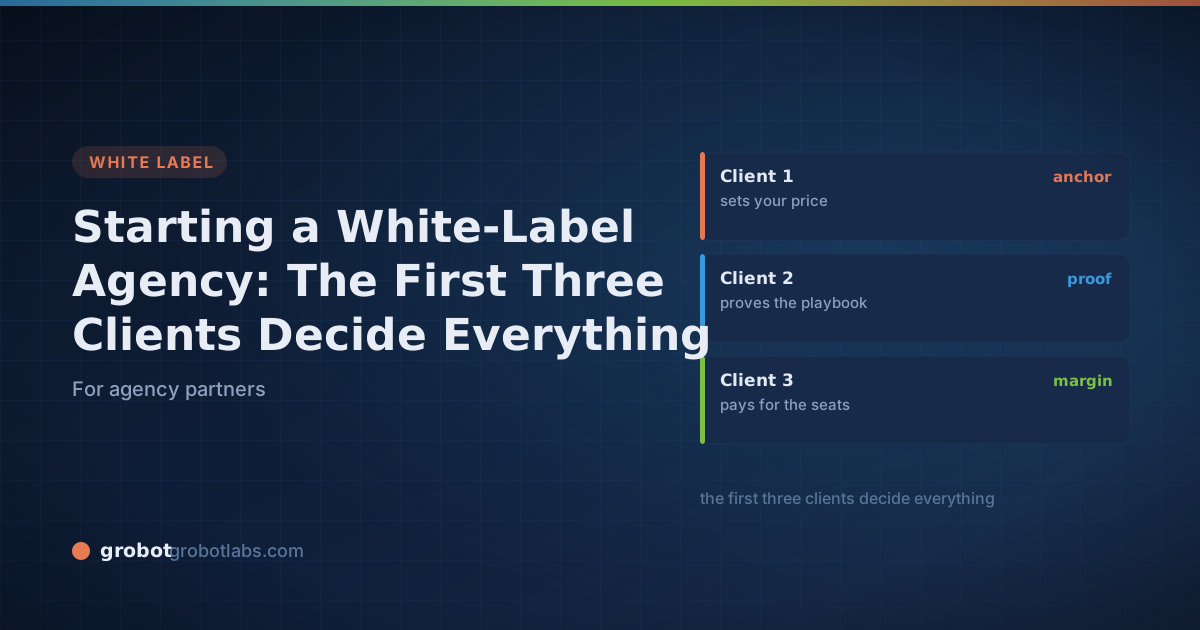
Starting a White-Label Agency: The First Three Clients Decide Everything
The platform is the easy part and it is where most people start. The hard parts are picking a niche narrow enough to be credible and surviving the first quarter.
Read More →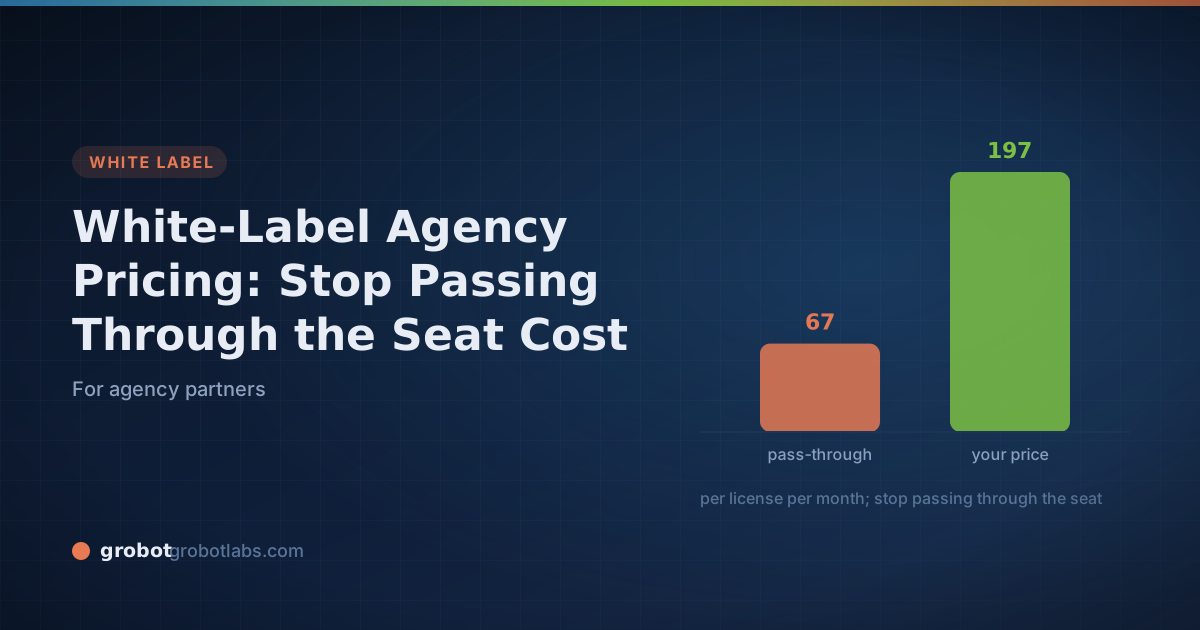
White-Label Agency Pricing: Stop Passing Through the Seat Cost
If you bill clients per seat, you have made your revenue a function of a number they control and will optimise. Price the outcome instead.
Read More →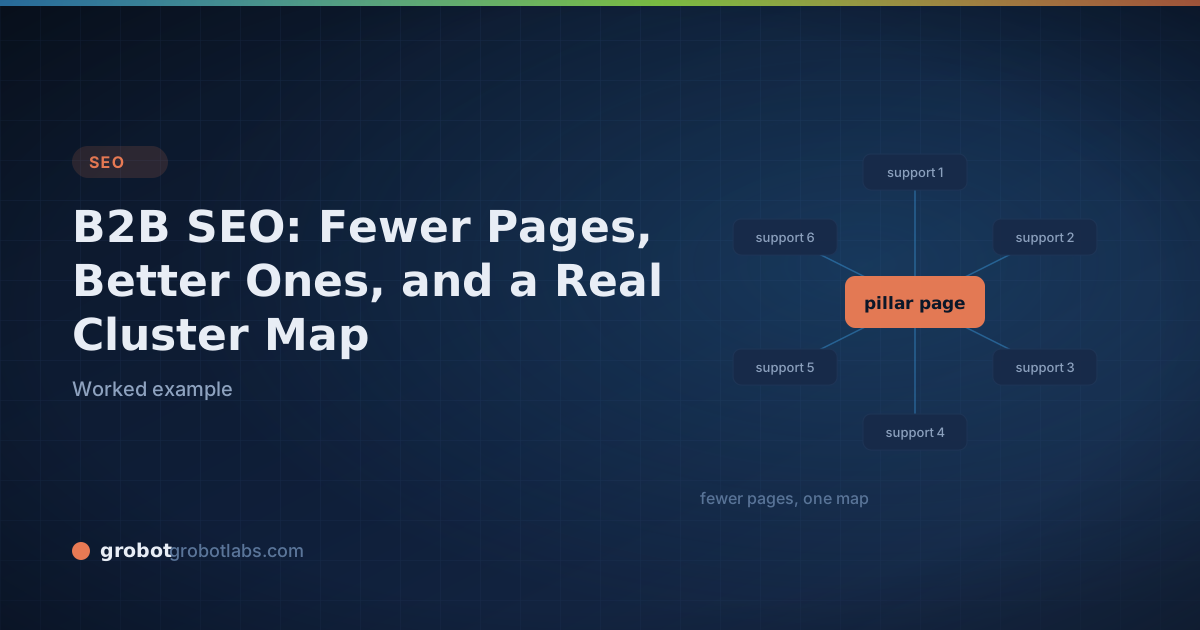
B2B SEO: Fewer Pages, Better Ones, and a Real Cluster Map
We cut this blog from 193 posts to 76 and expect it to rank better. Here is the reasoning, including the parts that are uncomfortable if you have been publishing weekly.
Read More →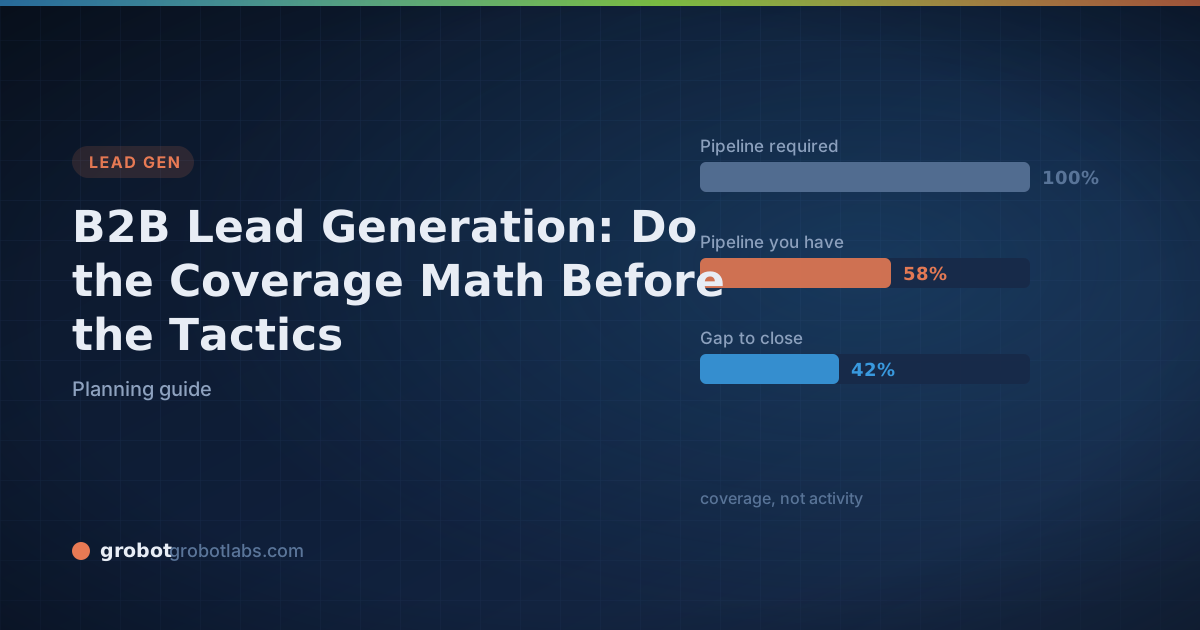
B2B Lead Generation: Do the Coverage Math Before the Tactics
Most lead gen plans are a list of channels. A plan is arithmetic: the number, the coverage ratio it implies, and whether your channels can physically produce it.
Read More →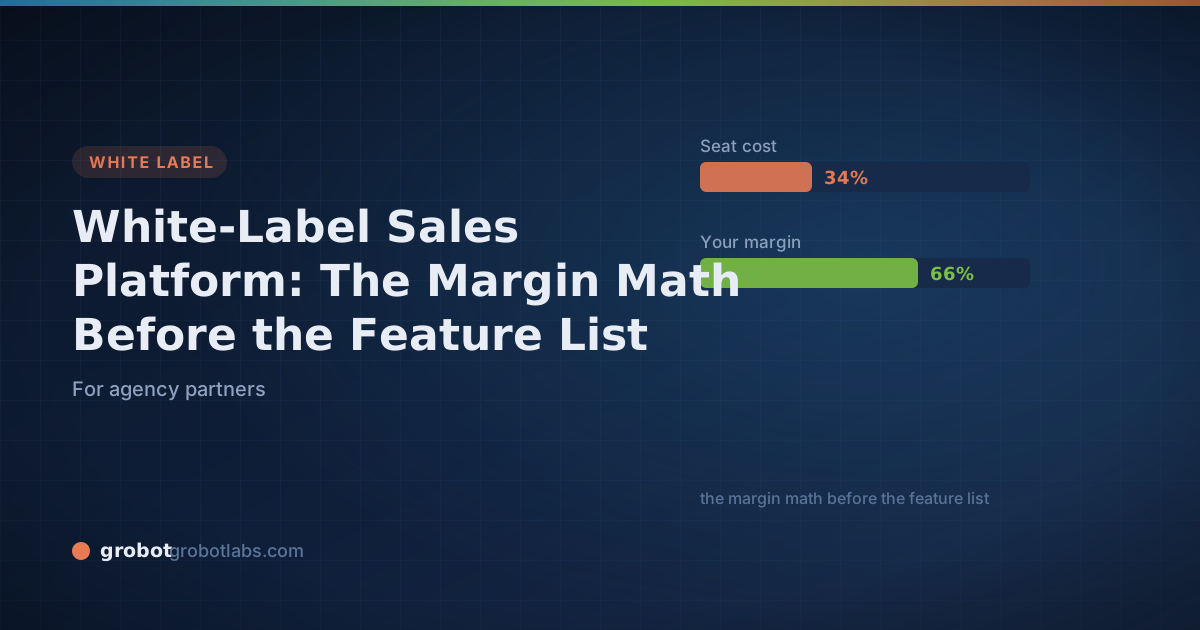
White-Label Sales Platform: The Margin Math Before the Feature List
Reselling software under your own brand is a pricing decision before it is a product decision. Here is the margin math, the delivery model, and where agencies get caught.
Read More →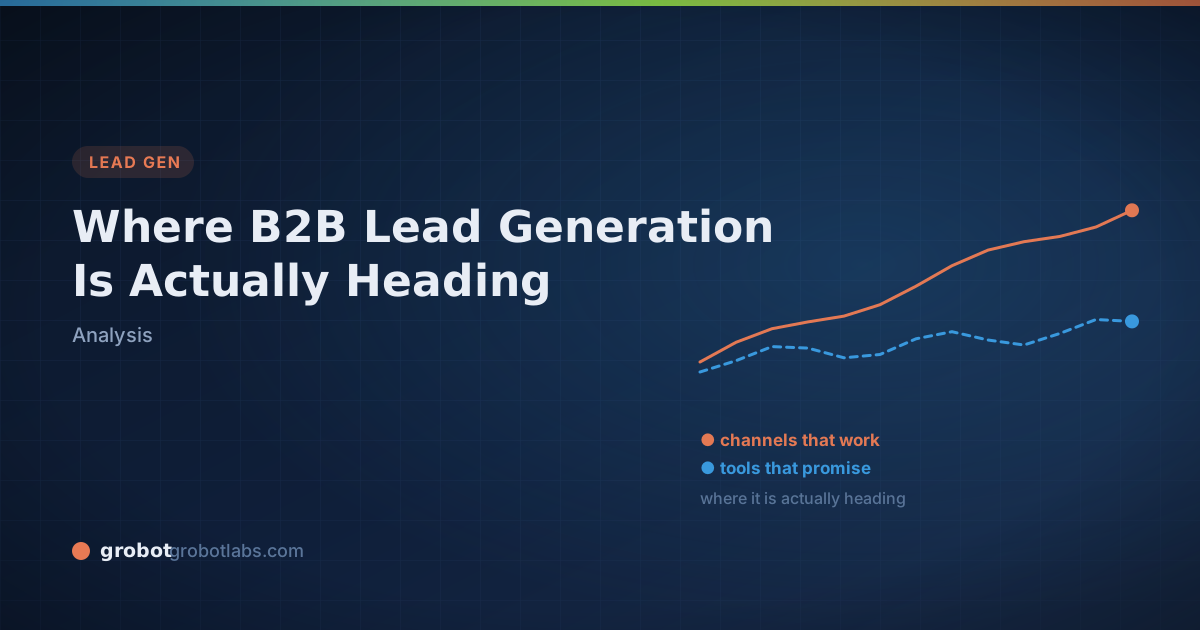
Where B2B Lead Generation Is Actually Heading
Predictions about lead generation are usually product roadmaps in disguise. These four changes are already measurable, which is a lower bar and a more useful one.
Read More →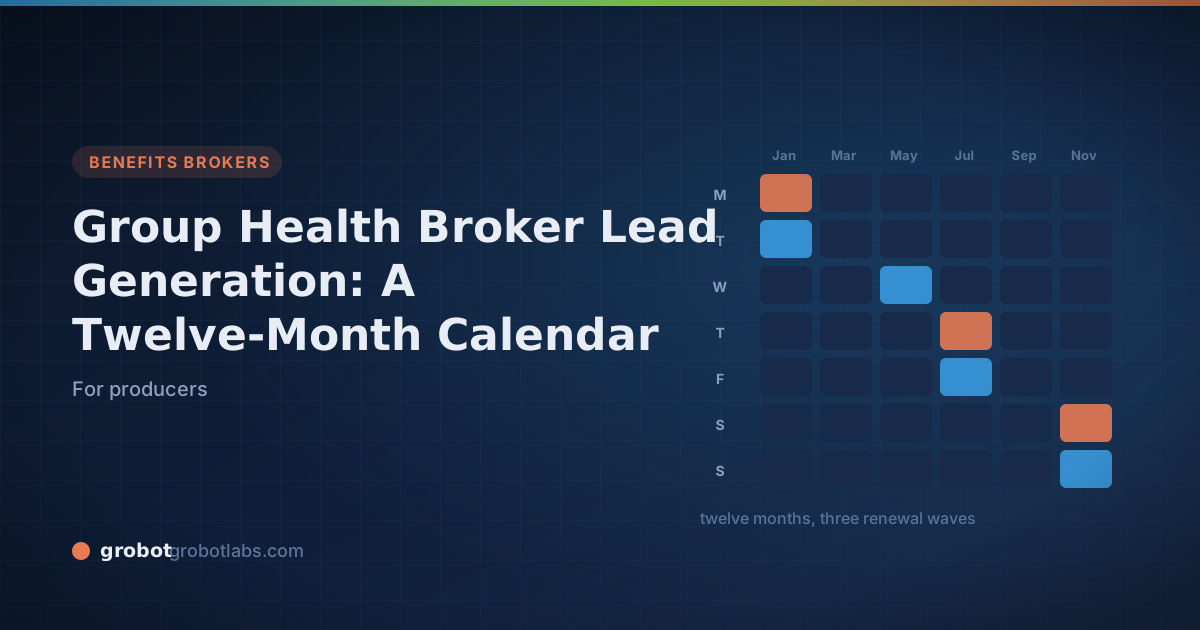
Group Health Broker Lead Generation: A Twelve-Month Calendar
Benefits is a calendar business. Most brokers prospect as if it were a volume business, which is why January feels impossible and June feels empty.
Read More →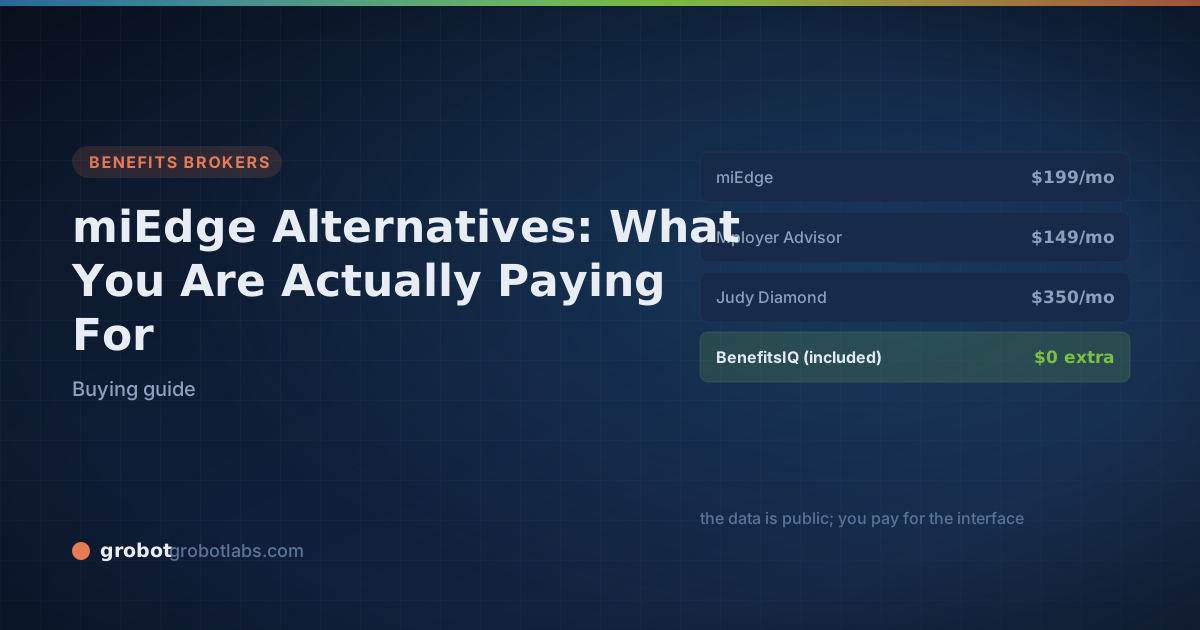
miEdge Alternatives: What You Are Actually Paying For
Search "miEdge alternatives" and you get G2 listicles recommending Tableau. Here is the real comparison, starting with the uncomfortable fact that the underlying data is free.
Read More →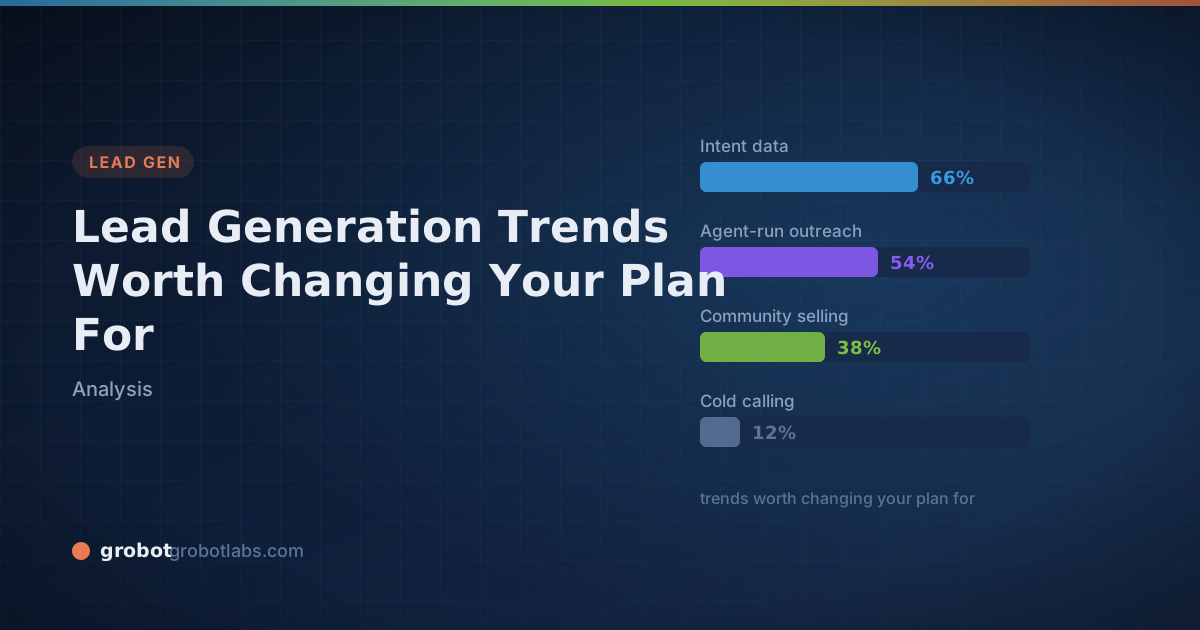
Lead Generation Trends Worth Changing Your Plan For
A trend is only worth your attention if you would do something differently because of it. Most of the list you have been reading fails that test.
Read More →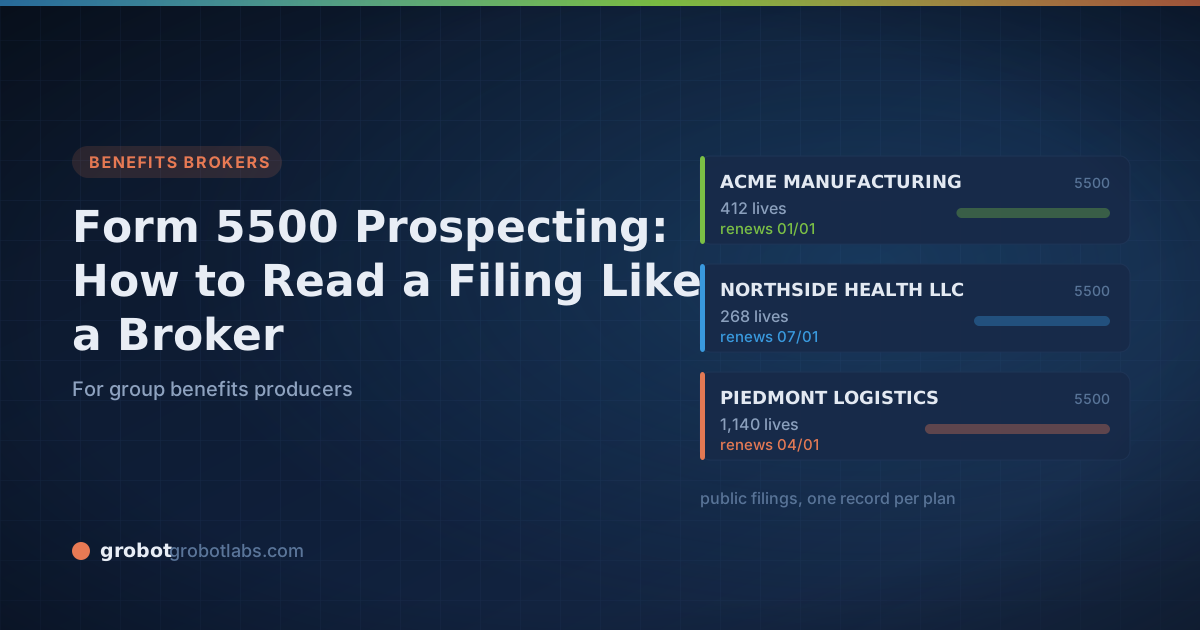
Form 5500 Prospecting: How to Read a Filing Like a Broker
Every employer-sponsored health plan with 100+ participants files a public document that names its broker, its carrier, its commission, and its renewal month. Most brokers buy that data. Here is how to read it yourself.
Read More →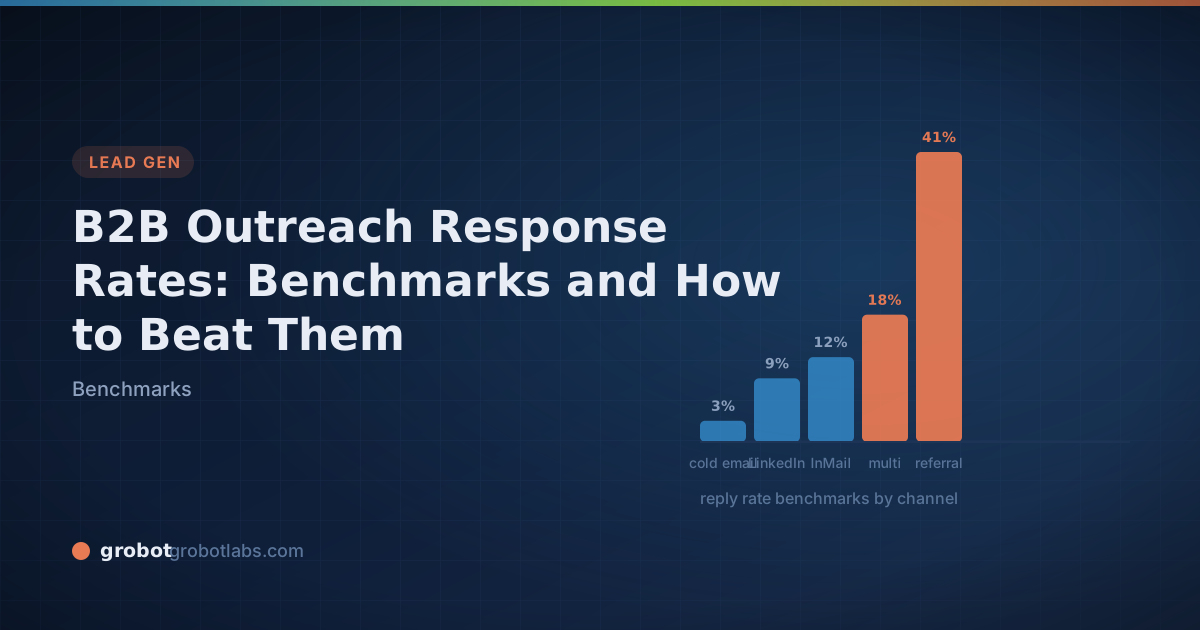
B2B Outreach Response Rates: Benchmarks and How to Beat Them
Reply rates get treated as a copywriting problem. Copy is the fourth-most important lever and the only one most teams pull.
Read More →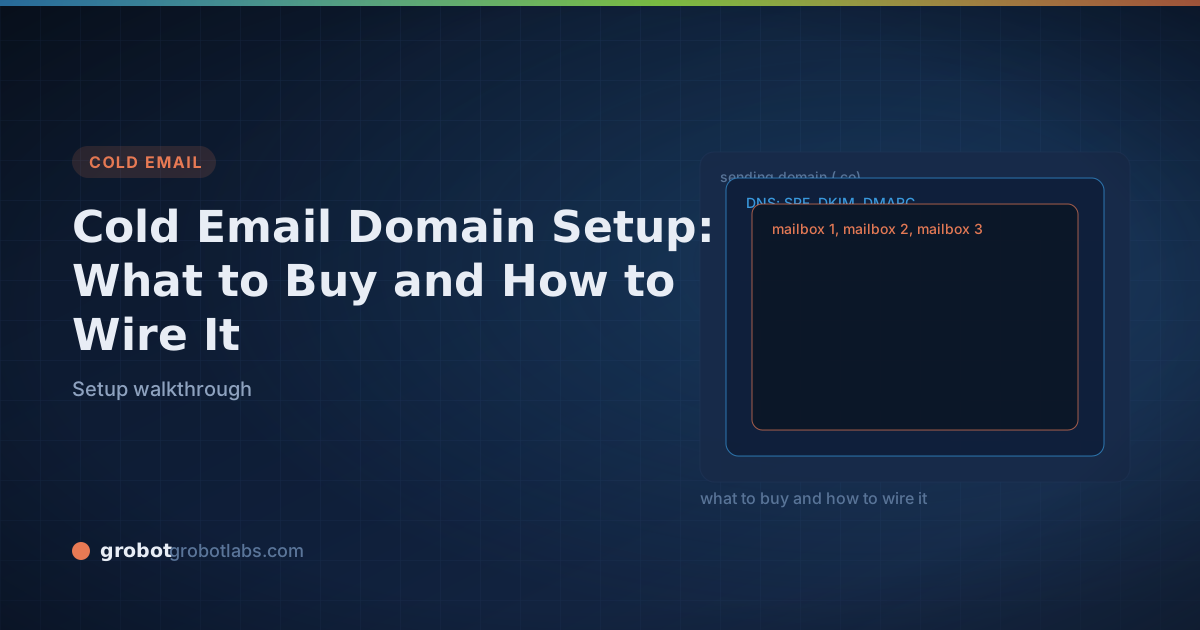
Cold Email Domain Setup: What to Buy and How to Wire It
The setup decisions you make in week one determine whether your outbound still works in month six. Here is the whole build, in order.
Read More →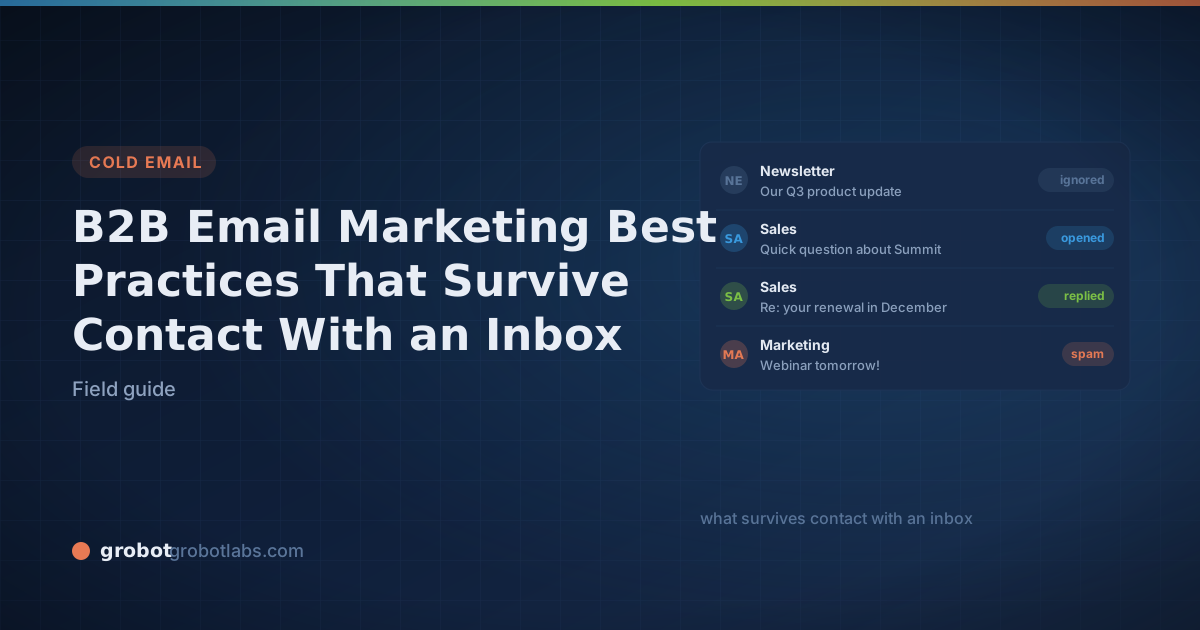
B2B Email Marketing Best Practices That Survive Contact With an Inbox
Apple broke the open rate and Gmail started enforcing sender rules. Most B2B email advice predates both, which is why it still recommends optimizing a metric that no longer measures anything.
Read More →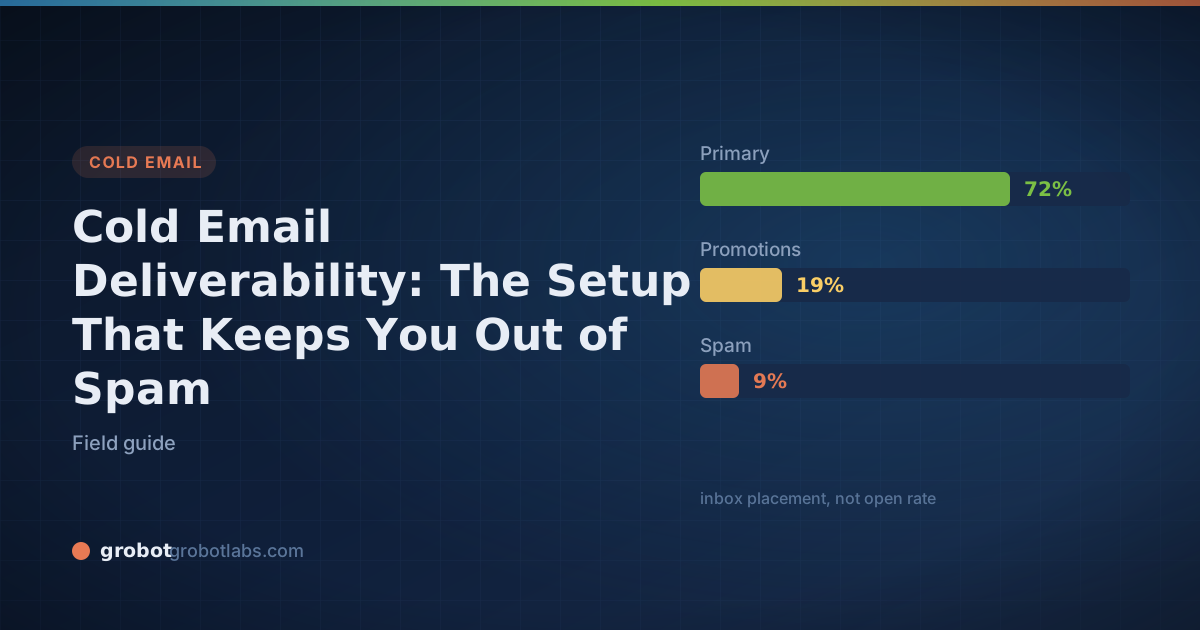
Cold Email Deliverability: The Setup That Keeps You Out of Spam
Your open rate is not a deliverability metric. Inbox placement is, and since Gmail started enforcing bulk sender rules the cost of getting this wrong is your whole domain.
Read More →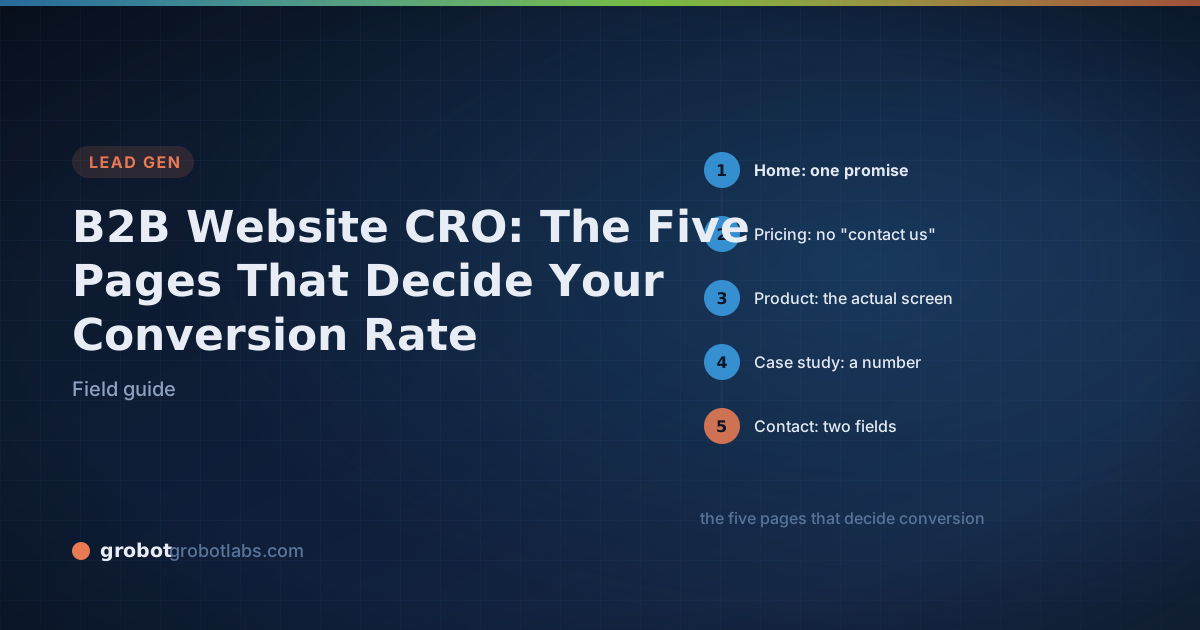
B2B Website CRO: The Five Pages That Decide Your Conversion Rate
B2B CRO advice is mostly ecommerce advice with the nouns changed. A B2B buyer is not making an impulse decision. They are assembling a case for someone else.
Read More →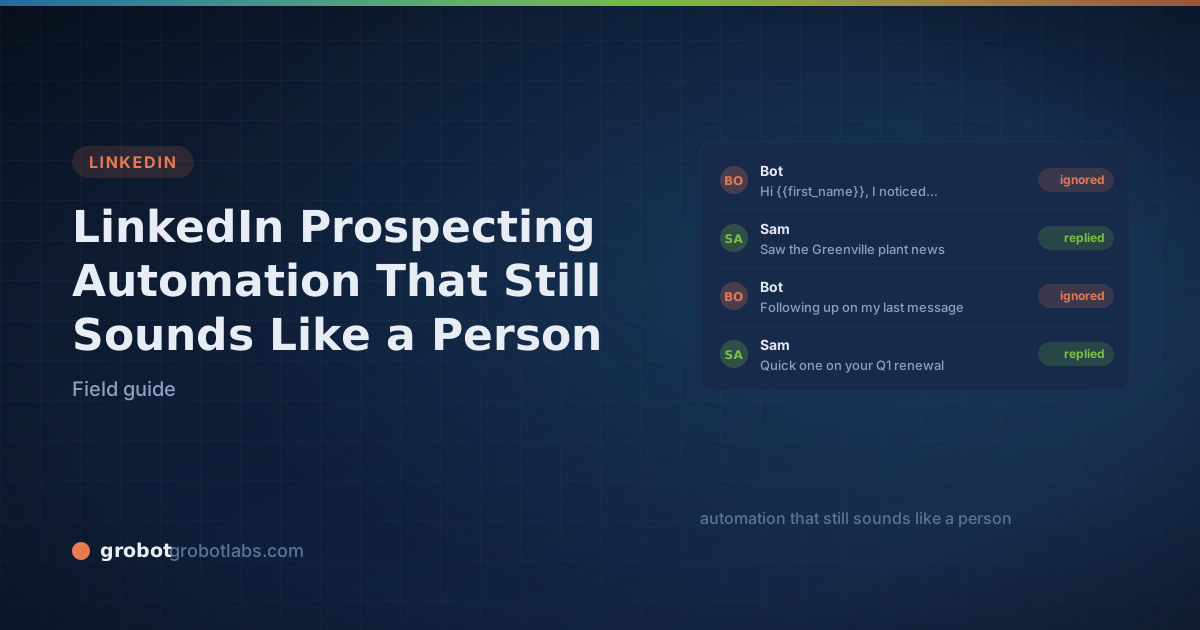
LinkedIn Prospecting Automation That Still Sounds Like a Person
The automation debate is framed as authenticity versus efficiency. That framing is wrong: the machine should do the steps nobody would notice a human doing, and stop.
Read More →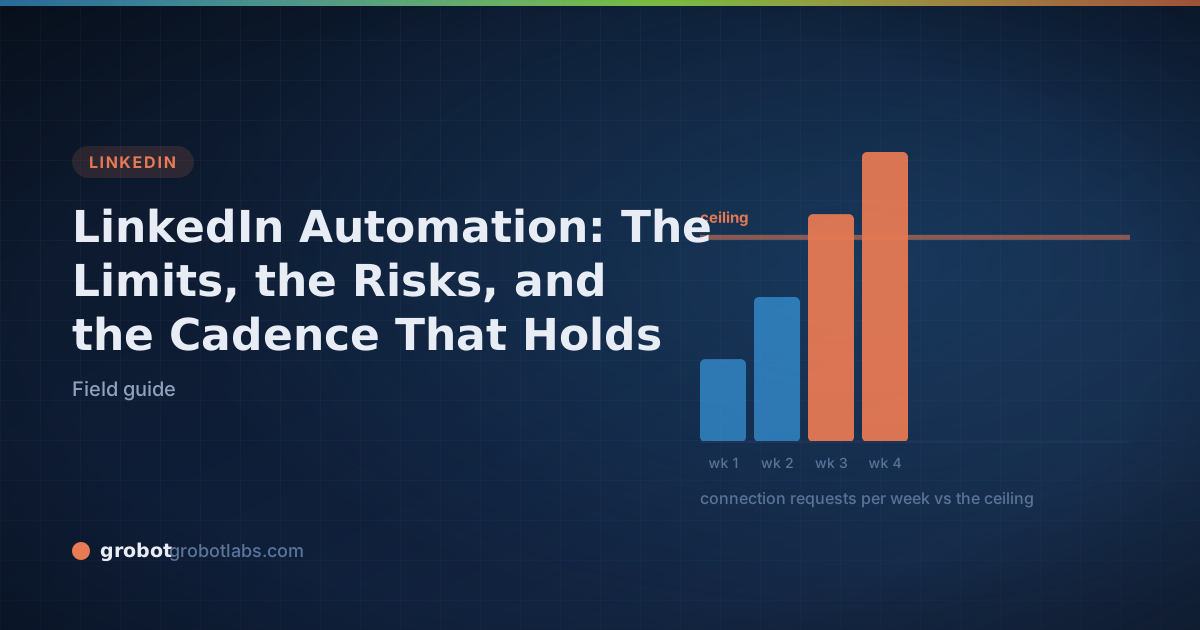
LinkedIn Automation: The Limits, the Risks, and the Cadence That Holds
LinkedIn does not publish its automation limits, which is why every vendor quotes a different number. Here is what actually governs your account, and the sending shape that keeps it.
Read More →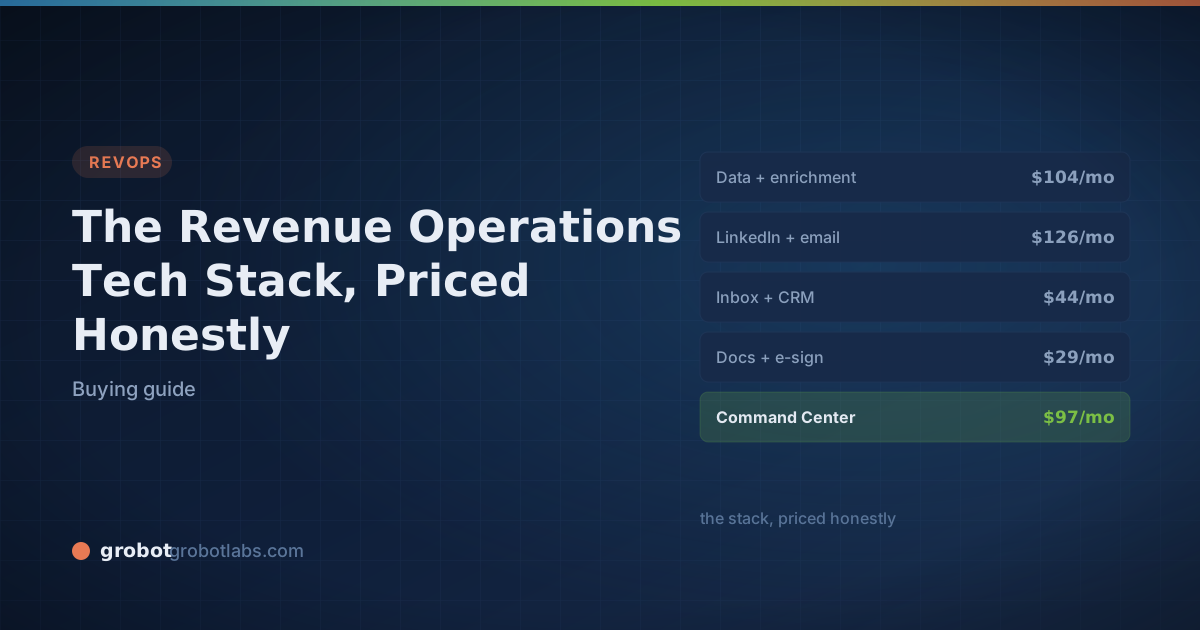
The Revenue Operations Tech Stack, Priced Honestly
The eight-tool stack is not expensive because of the subscriptions. It is expensive because of the three places the same contact exists in a slightly different state.
Read More →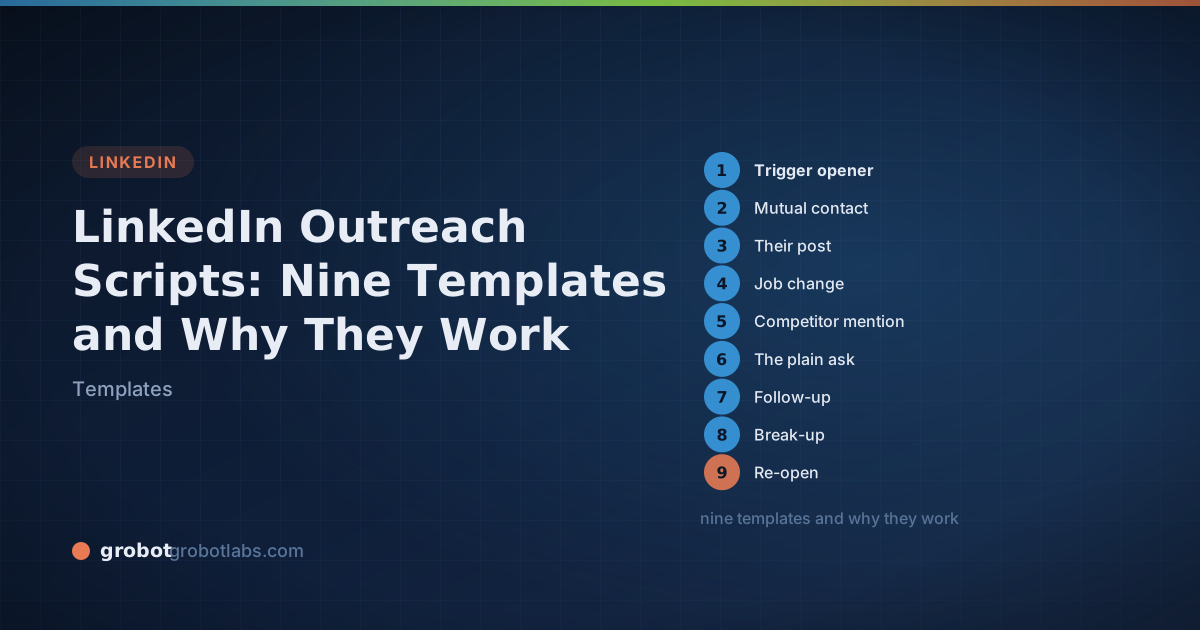
LinkedIn Outreach Scripts: Nine Templates and Why They Work
Scripts are scaffolding, not copy. Here are nine that hold up, what each one is structurally doing, and the openers that have been burned to the ground.
Read More →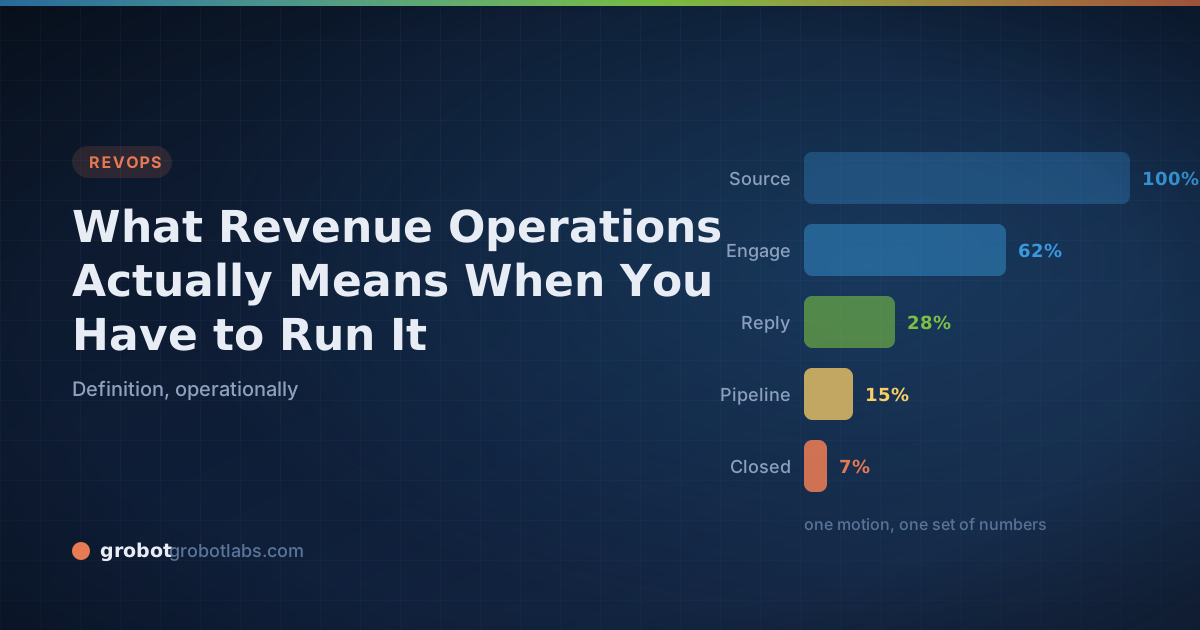
What Revenue Operations Actually Means When You Have to Run It
RevOps gets defined as "aligning sales, marketing and customer success," which tells you nothing about what to do on Monday. Here is the operational version.
Read More →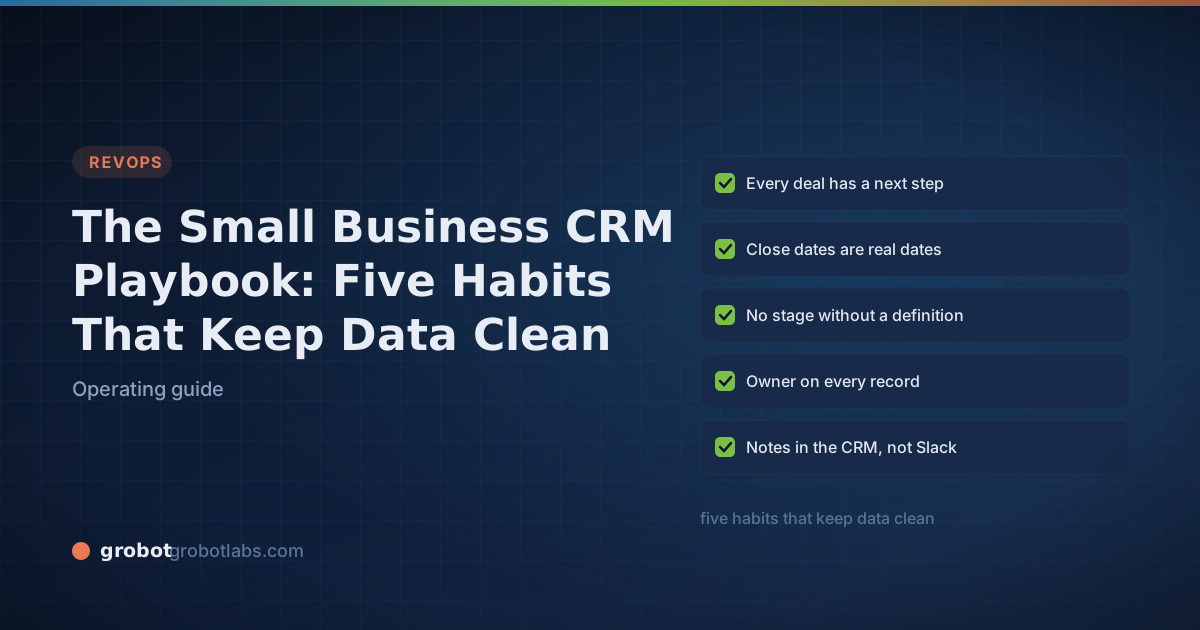
The Small Business CRM Playbook: Five Habits That Keep Data Clean
Nobody abandons a CRM on purpose. It dies from a hundred skipped updates, and by the time the pipeline report is wrong nobody trusts it enough to fix it.
Read More →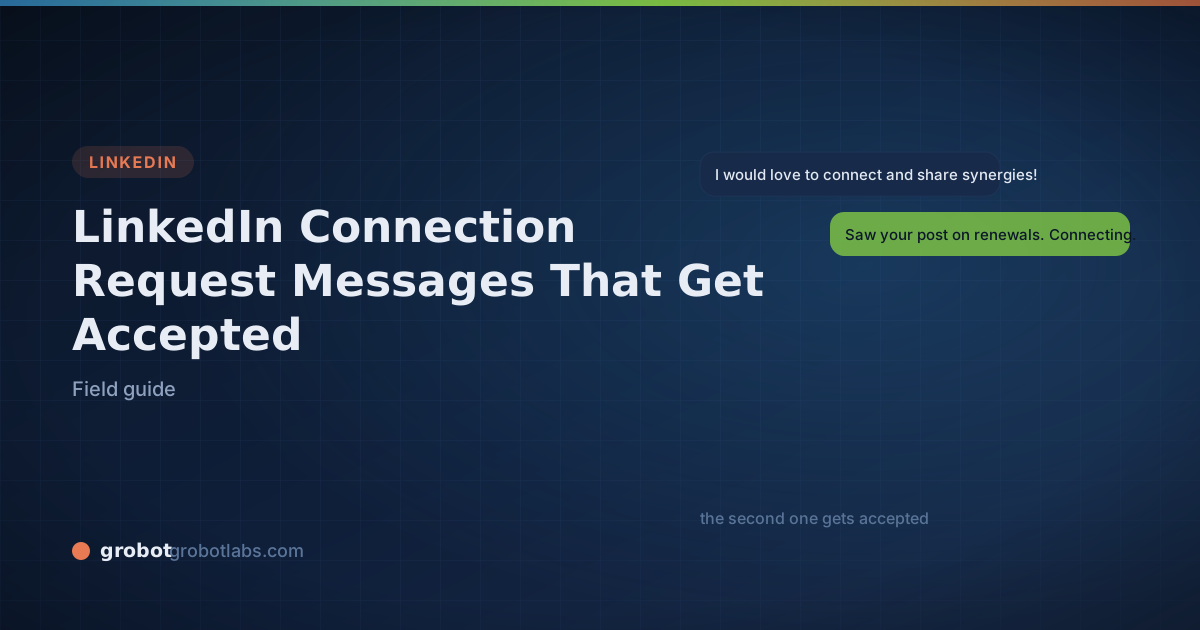
LinkedIn Connection Request Messages That Get Accepted
Acceptance is decided in about six seconds from four pieces of information, and only one of them is the note. Most advice optimizes the wrong one.
Read More →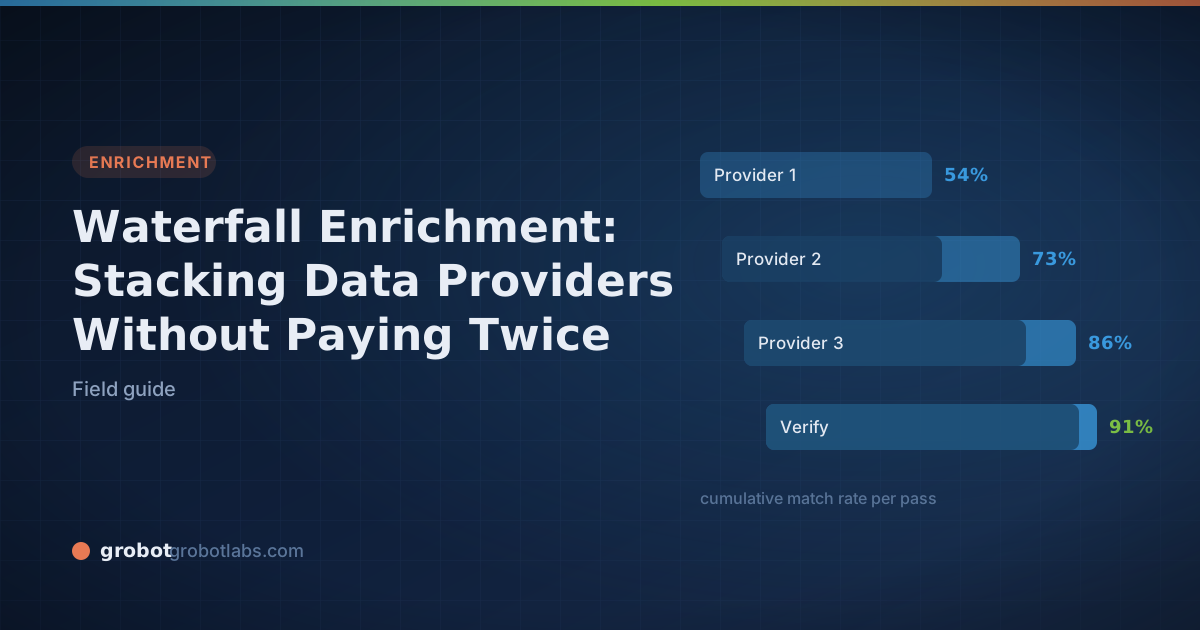
Waterfall Enrichment: Stacking Data Providers Without Paying Twice
No contact data provider covers your list. Waterfall enrichment asks each one only for the records the last one missed, which works, until the credit math turns against you.
Read More →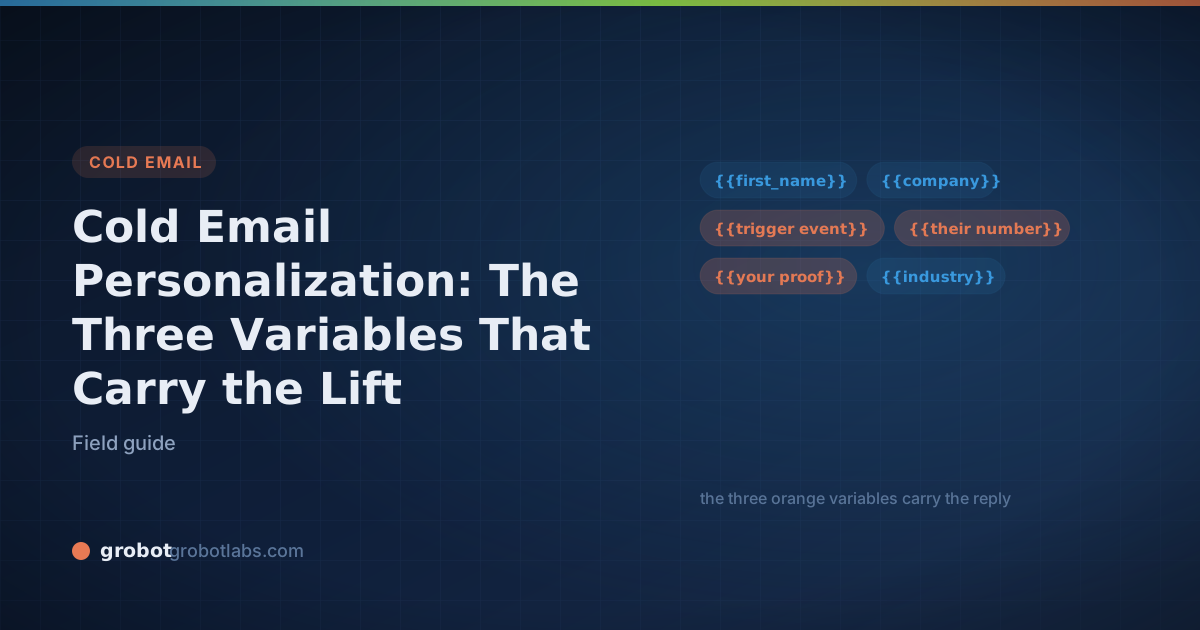
Cold Email Personalization: The Three Variables That Carry the Lift
Personalization stopped meaning "mentions something about me" the moment every tool could mention something about everyone. What survives is narrower and more expensive.
Read More →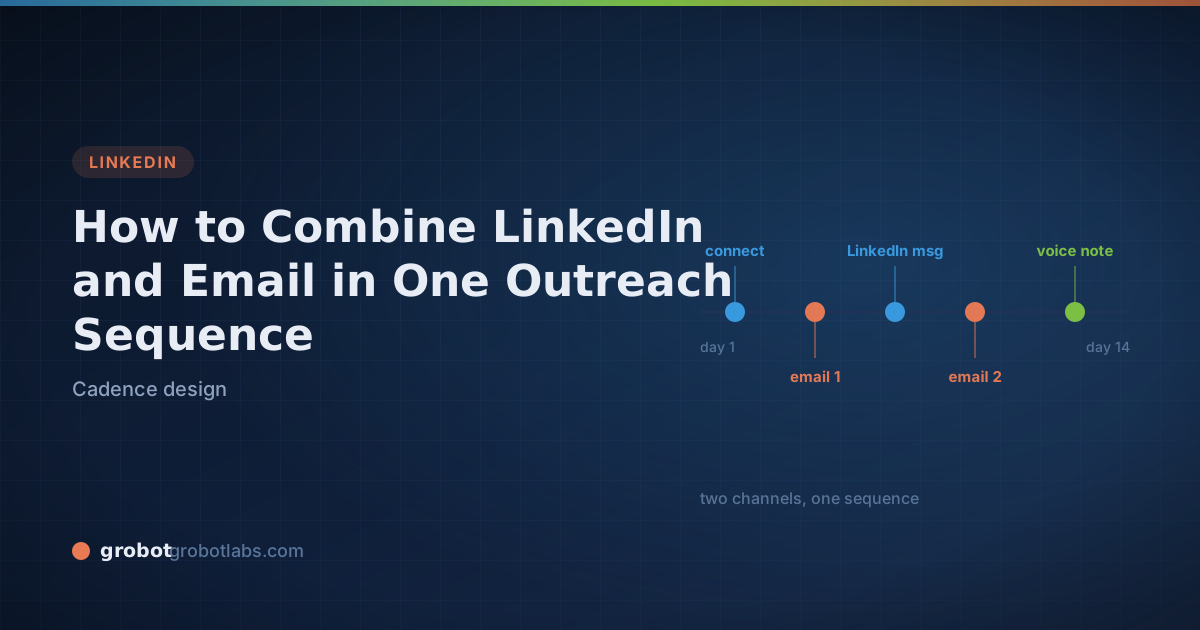
How to Combine LinkedIn and Email in One Outreach Sequence
Running LinkedIn and email side by side is not multichannel. Multichannel means the email step knows what happened on LinkedIn, and that is the part most stacks cannot do.
Read More →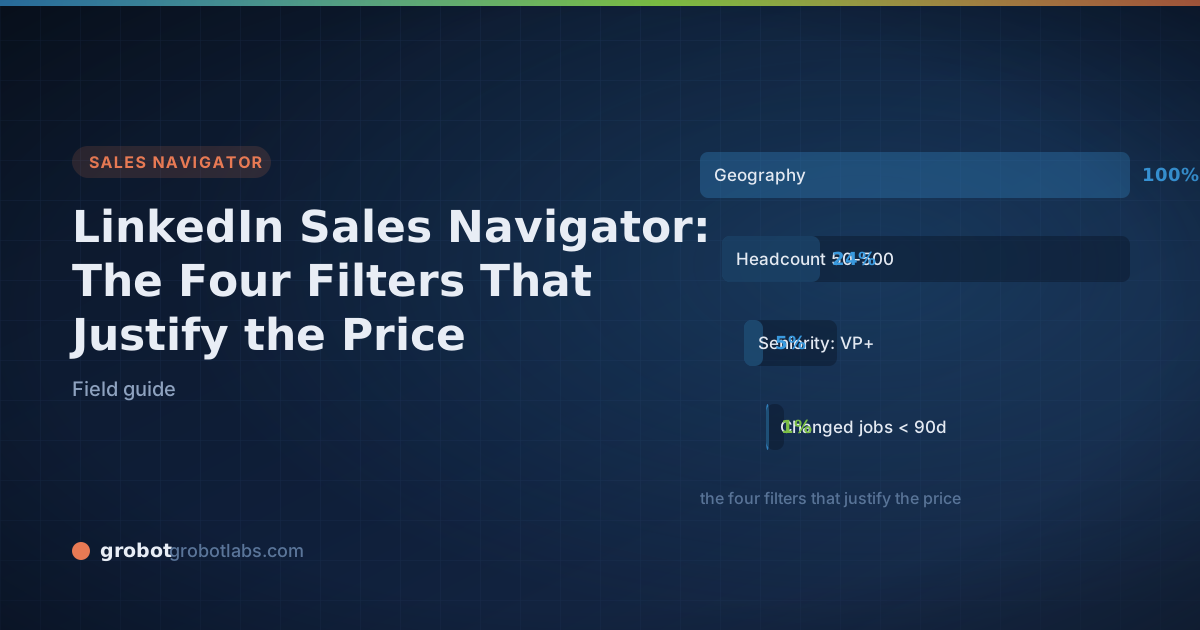
LinkedIn Sales Navigator: The Four Filters That Justify the Price
Sales Navigator is a filtering product, and most of its filters are noise. Four of them earn the subscription on their own.
Read More →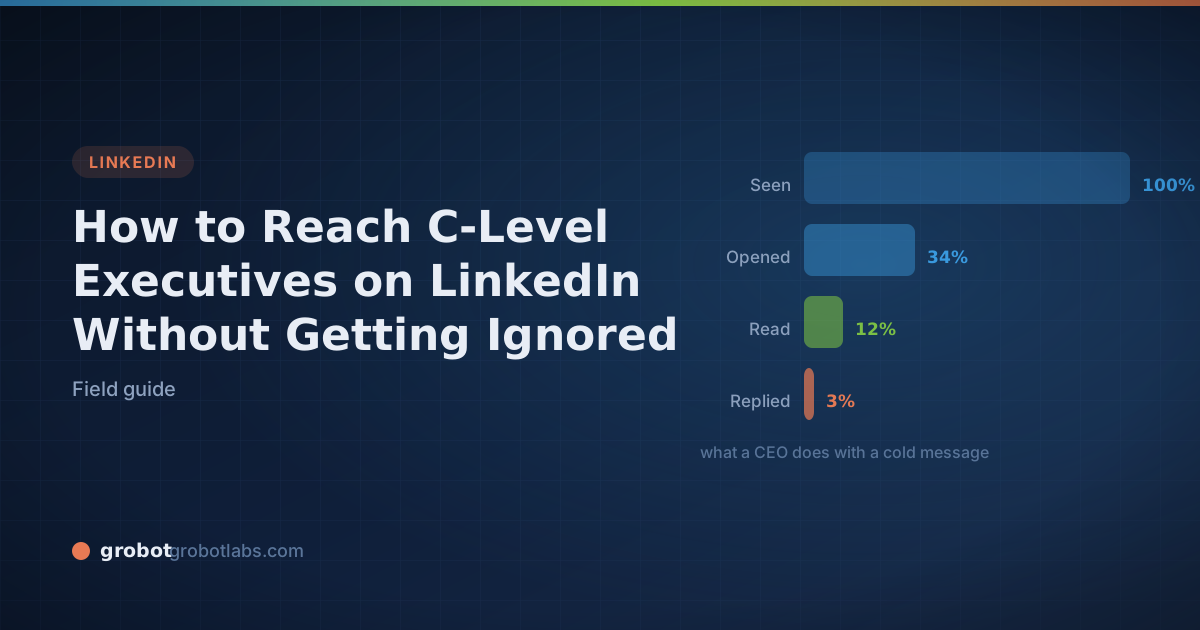
How to Reach C-Level Executives on LinkedIn Without Getting Ignored
Executives are not ignoring you because they are busy. They are ignoring you because the message was written for someone whose job is to evaluate solutions.
Read More →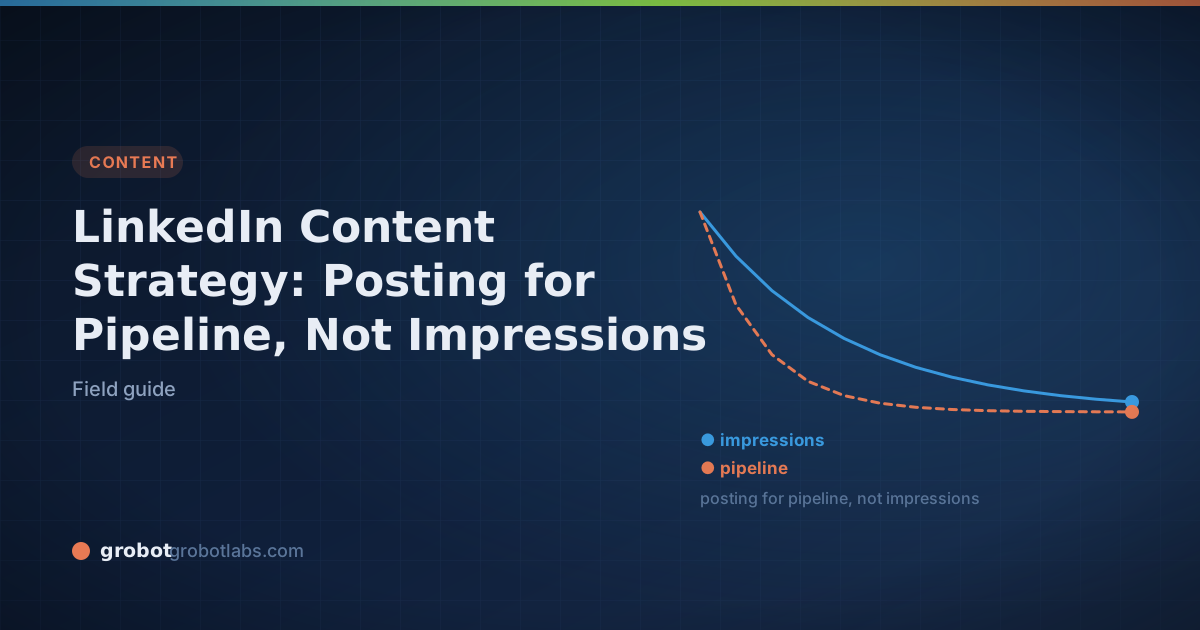
LinkedIn Content Strategy: Posting for Pipeline, Not Impressions
Most LinkedIn content advice optimizes for a number that does not convert. Here is what to post, how often, and which metric to actually watch.
Read More →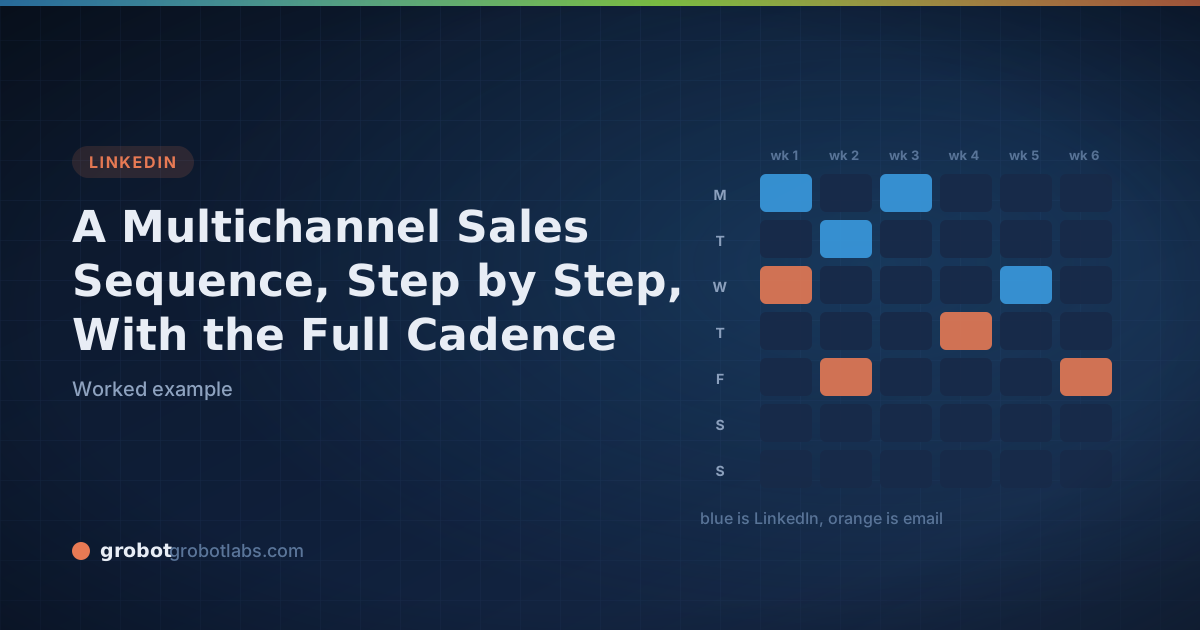
A Multichannel Sales Sequence, Step by Step, With the Full Cadence
Most published cadences are a list of touches with no exit conditions and no branches. Here is one written the way you would actually have to build it.
Read More →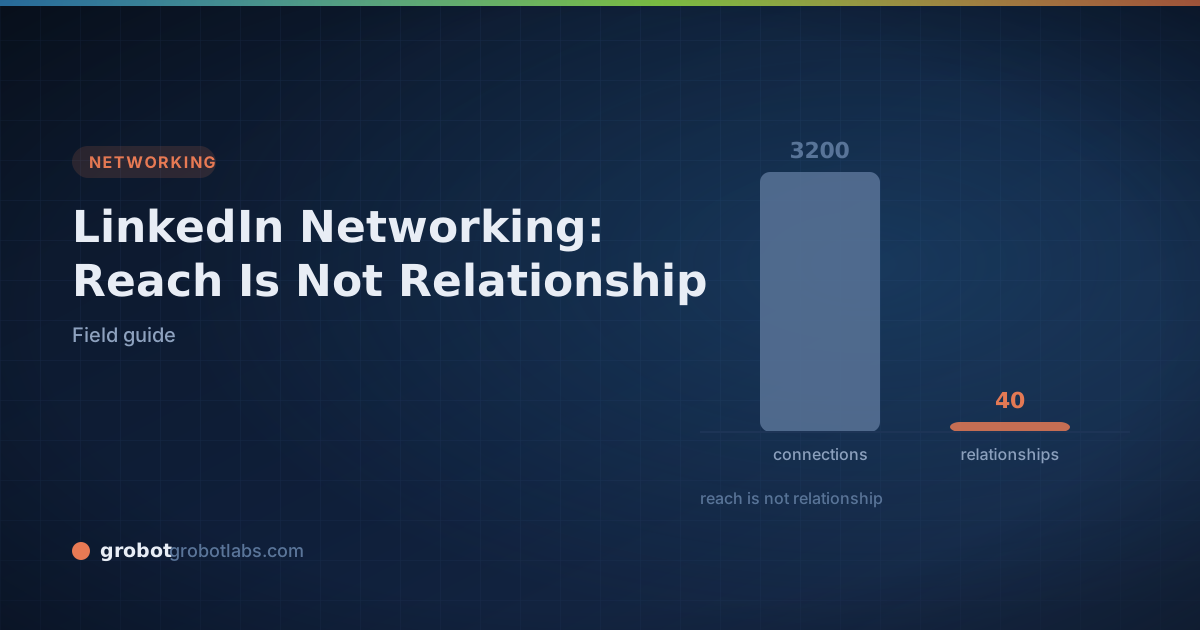
LinkedIn Networking: Reach Is Not Relationship
Most people with 5,000 connections have about 40 relationships. The other 4,960 are a number. Here is how to build the 40 on purpose.
Read More →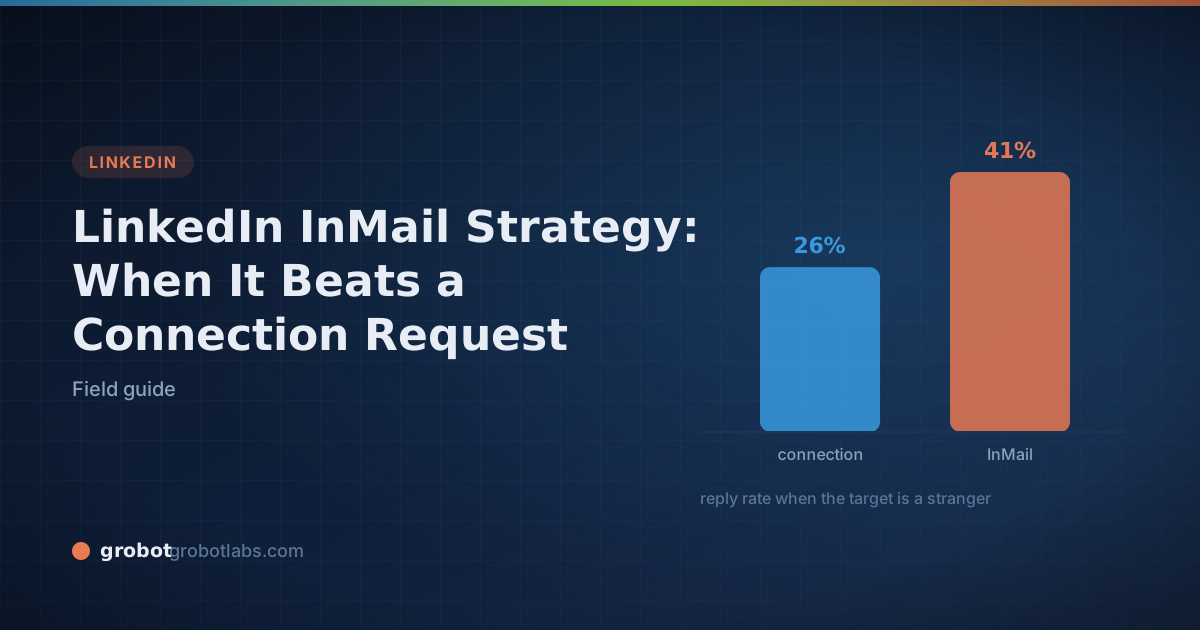
LinkedIn InMail Strategy: When It Beats a Connection Request
InMail buys you access, not attention. It is worth a credit in three situations and wasted in every other one.
Read More →
LinkedIn Profile Optimization for People Who Sell, Not Job Hunt
Almost all LinkedIn profile advice is written for job seekers. A profile that impresses a recruiter is not the same as one that makes a prospect accept your invitation.
Read More →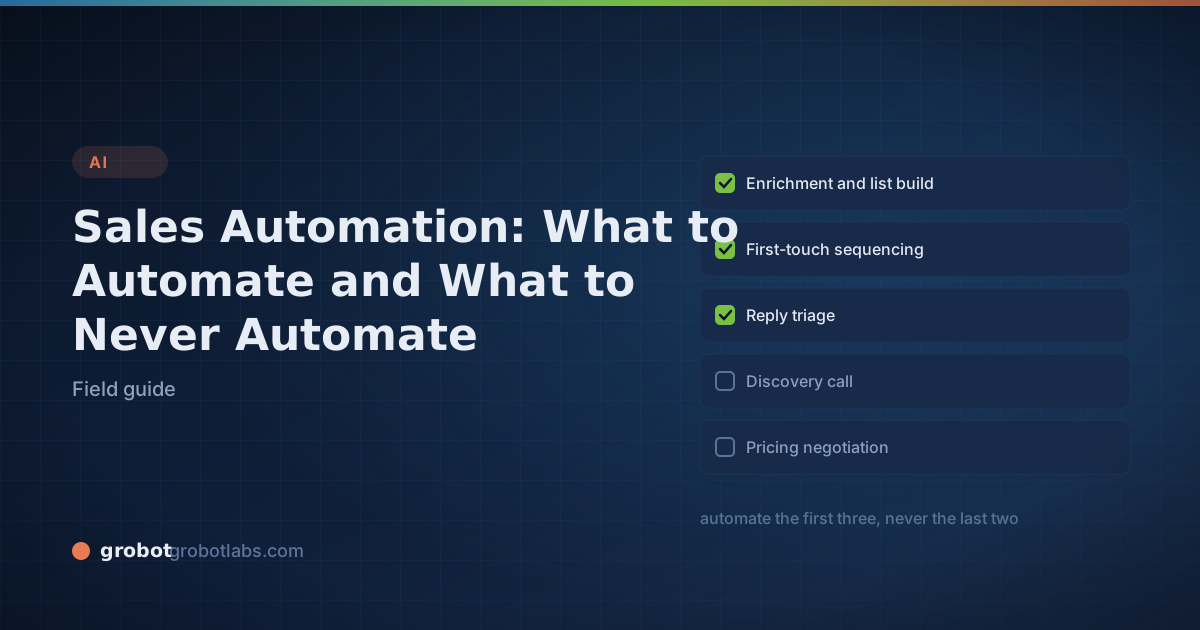
Sales Automation: What to Automate and What to Never Automate
The automation question is usually framed as how much. The better question is which, and there is a clean line between the two categories.
Read More →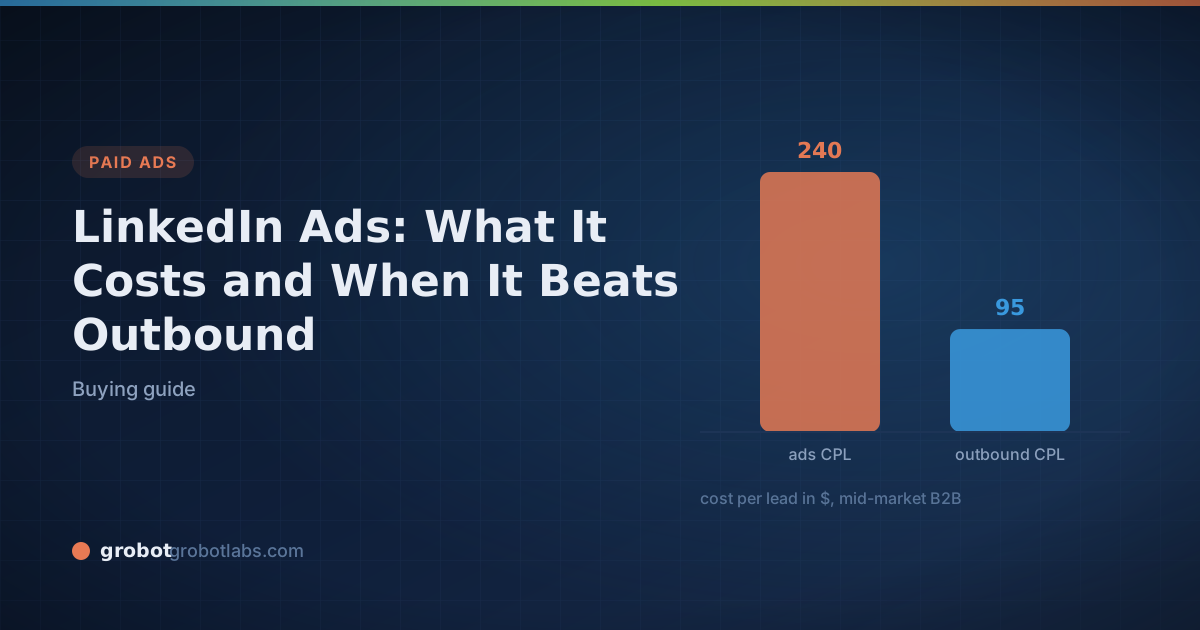
LinkedIn Ads: What It Costs and When It Beats Outbound
LinkedIn ads are the most expensive clicks in B2B and sometimes the cheapest pipeline. The difference is entirely about which of the two problems you have.
Read More →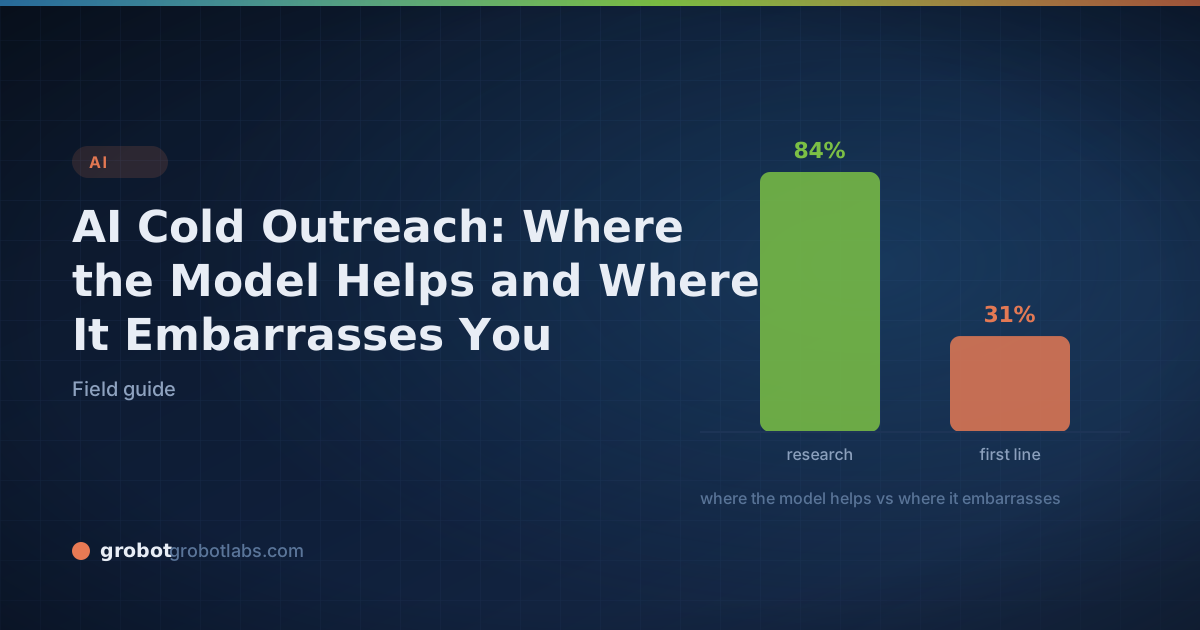
AI Cold Outreach: Where the Model Helps and Where It Embarrasses You
AI is genuinely better than you at reading ten years of filings. It is worse than you at writing one sentence a stranger will read. Most tools have this backwards.
Read More →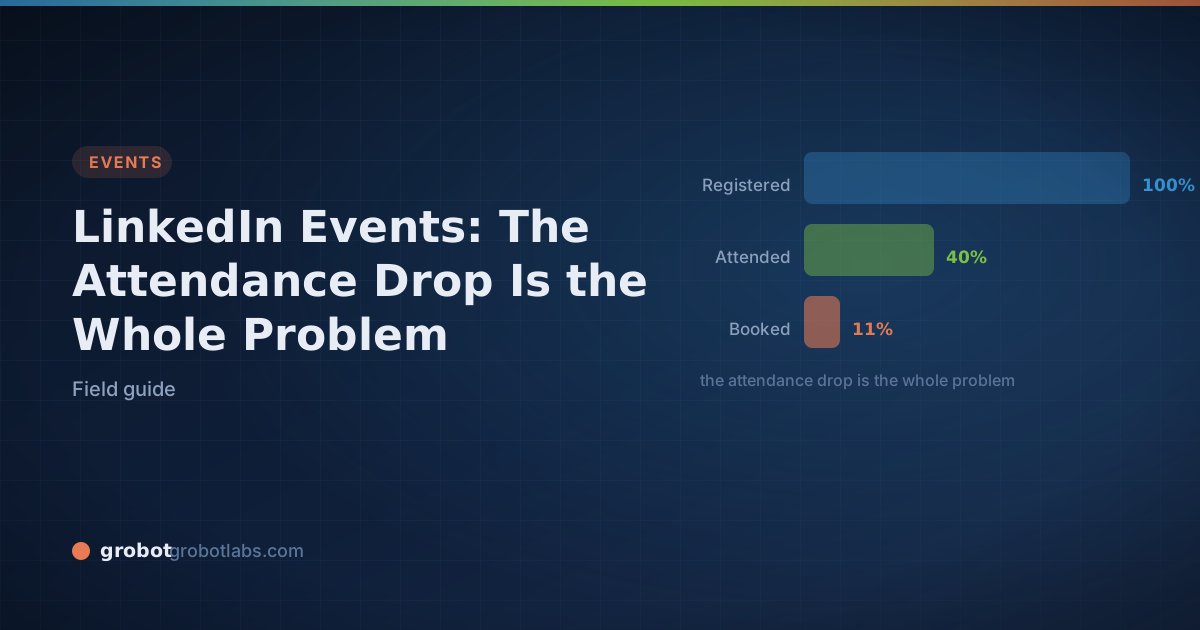
LinkedIn Events: The Attendance Drop Is the Whole Problem
Around 60% of people who register for a B2B event do not attend. Most event strategies ignore that number, which is why they produce registrations instead of pipeline.
Read More →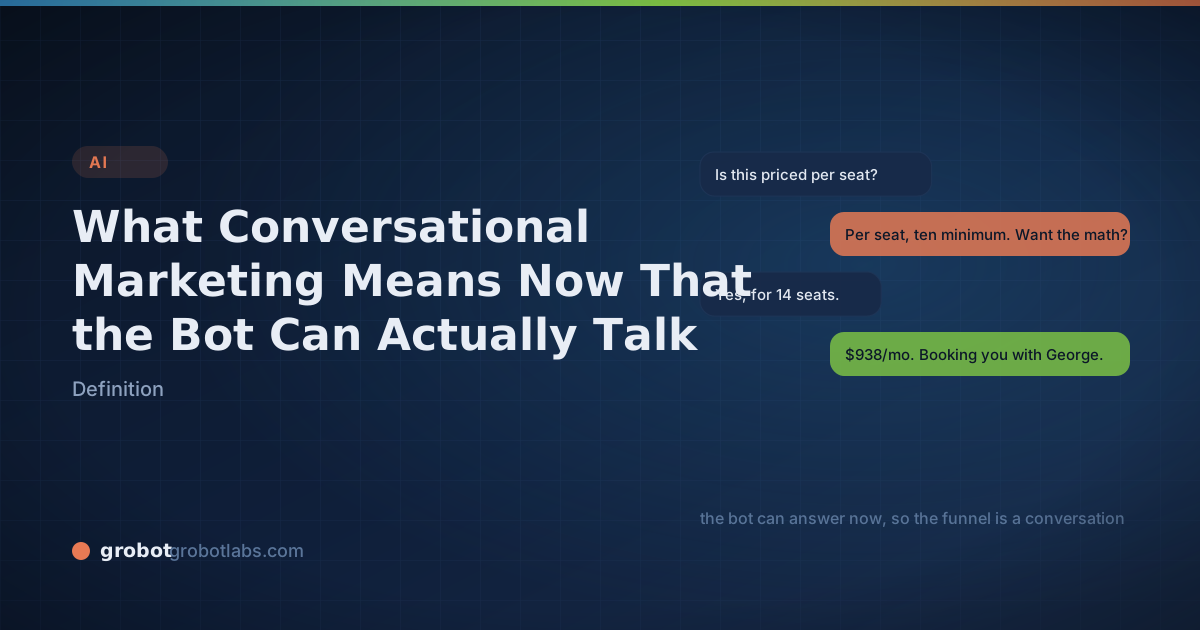
What Conversational Marketing Means Now That the Bot Can Actually Talk
The original version failed for an unglamorous reason: nobody was on the other end. That is the part worth fixing, and it is not a model problem.
Read More →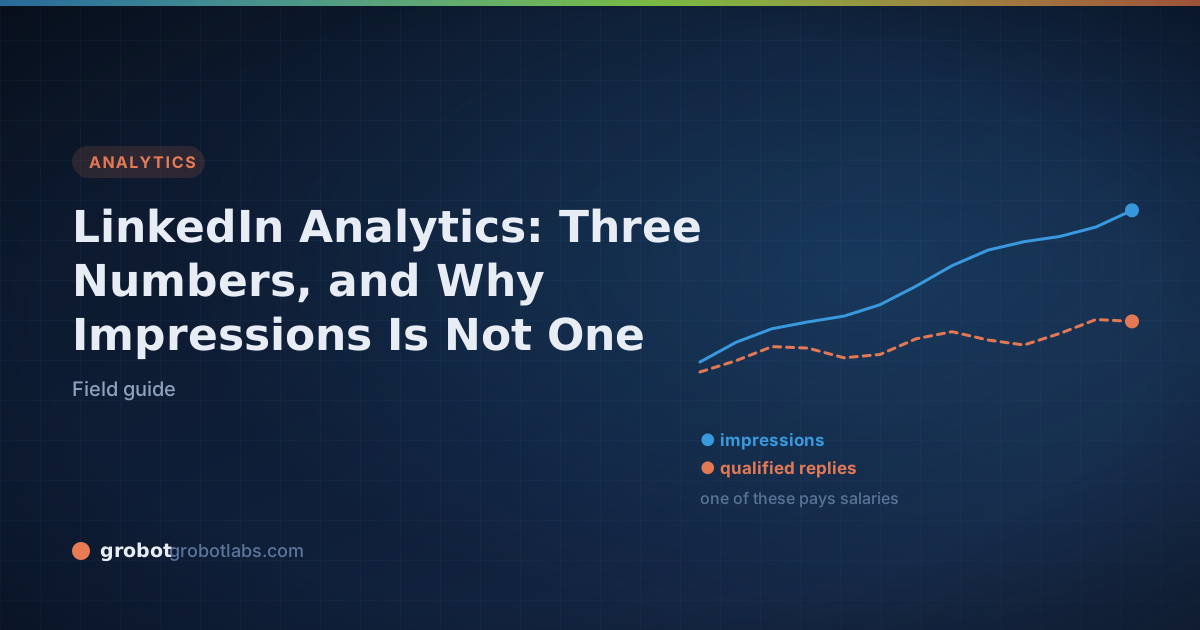
LinkedIn Analytics: Three Numbers, and Why Impressions Is Not One
LinkedIn gives you a dozen metrics. Three of them predict pipeline. The rest exist because they are easy to count.
Read More →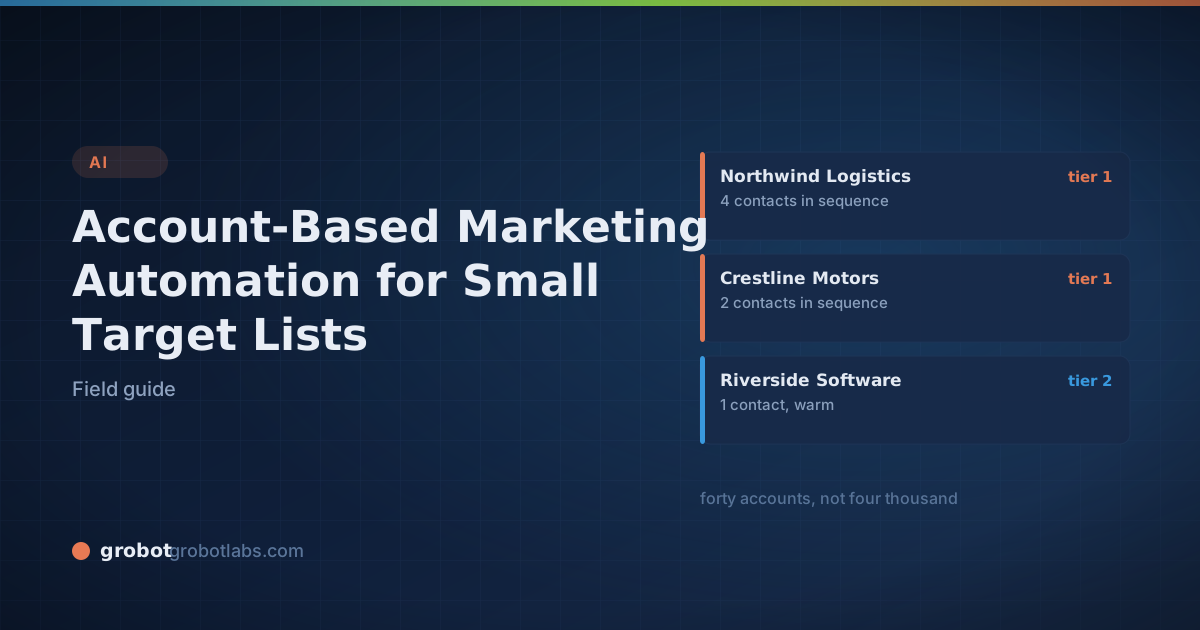
Account-Based Marketing Automation for Small Target Lists
ABM is usually sold as software for enterprises with 2,000 target accounts. The version that works for a 10-person team targeting 80 accounts is different and cheaper.
Read More →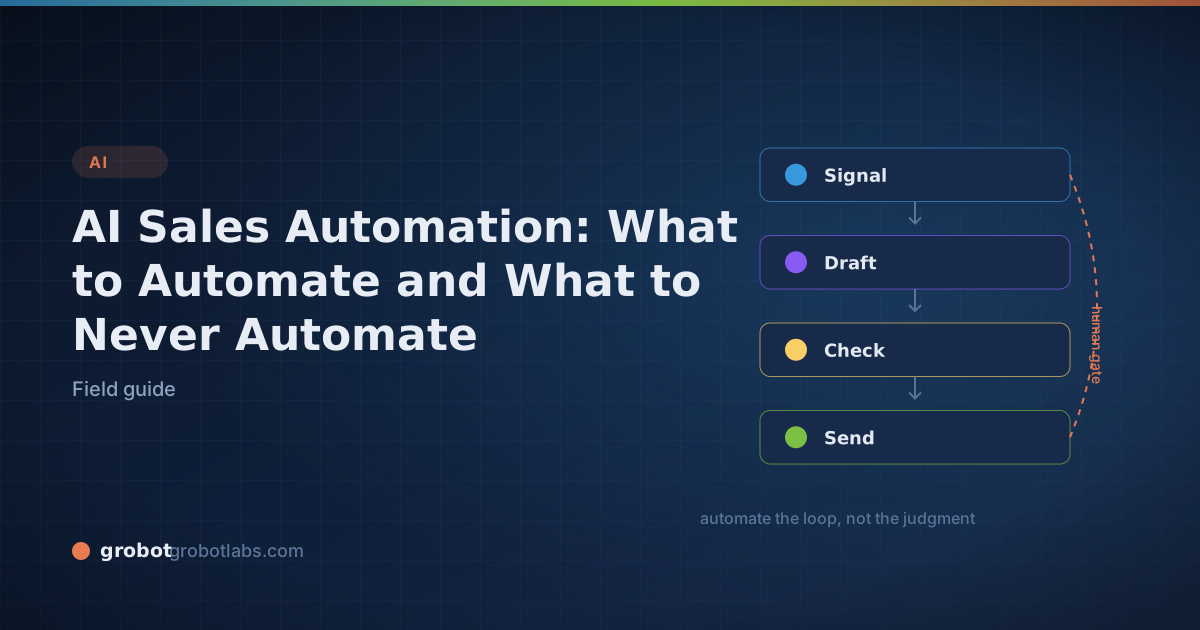
AI Sales Automation: What to Automate and What to Never Automate
AI is excellent at the parts of outbound nobody wants to do and bad at the part everyone points it at. The distinction is not subtle once you see it.
Read More →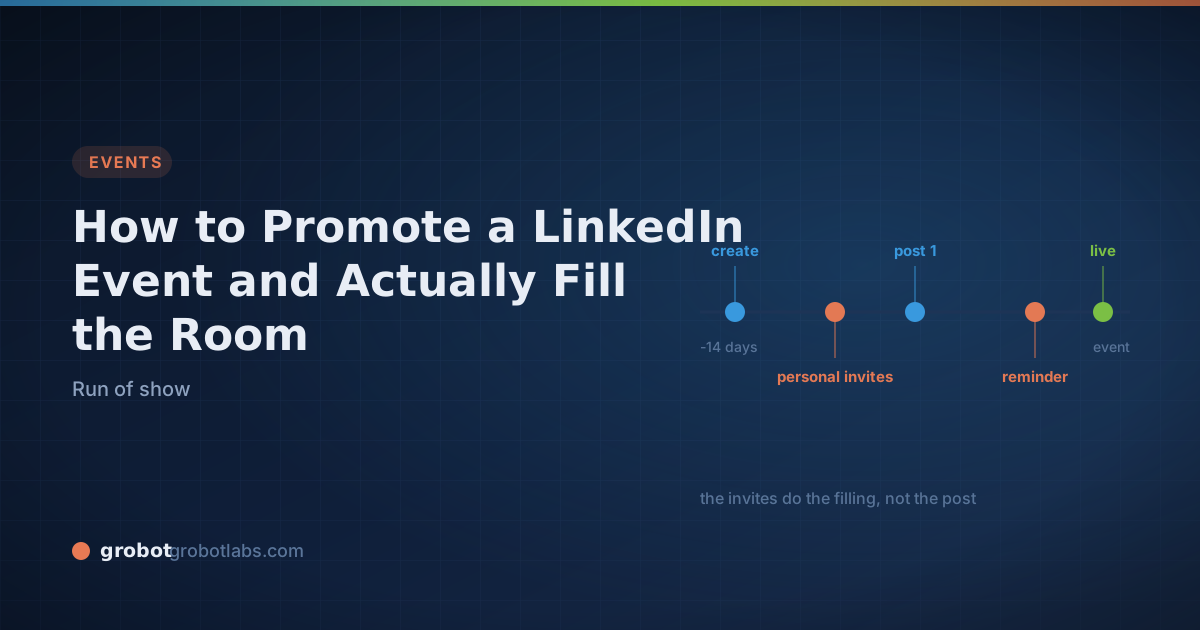
How to Promote a LinkedIn Event and Actually Fill the Room
Most event promotion is one announcement post and a link in a newsletter. Registrations come from somewhere else entirely, and the reminder nobody sends is worth more than the post.
Read More →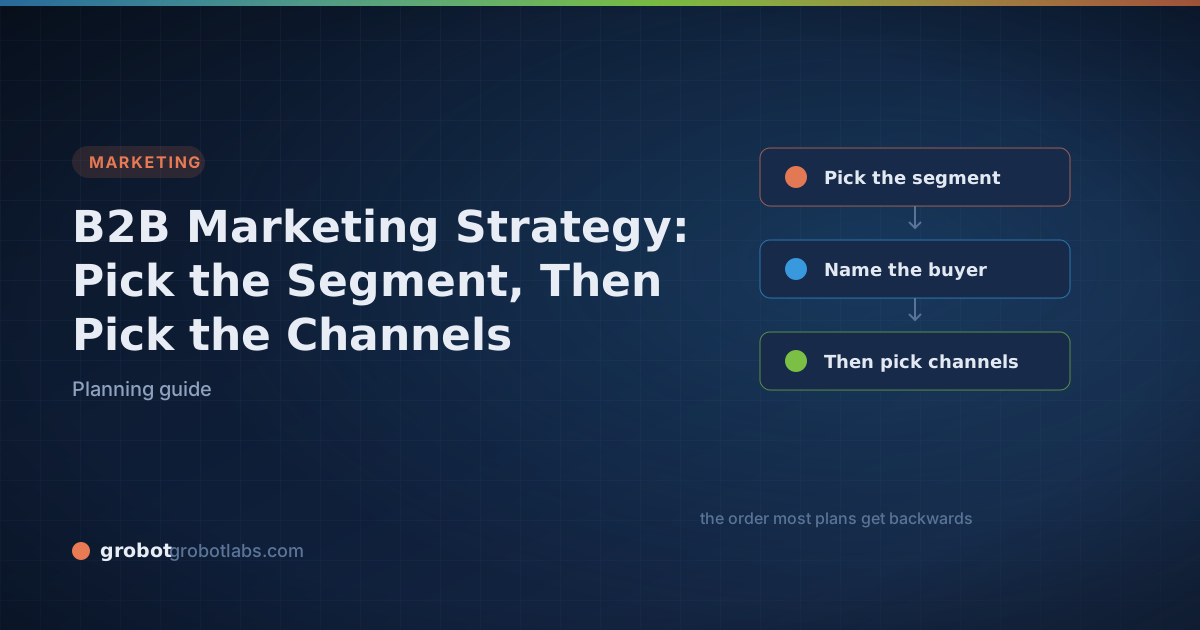
B2B Marketing Strategy: Pick the Segment, Then Pick the Channels
Most B2B marketing strategies are channel plans wearing a strategy label. The order is wrong, and the order is the strategy.
Read More →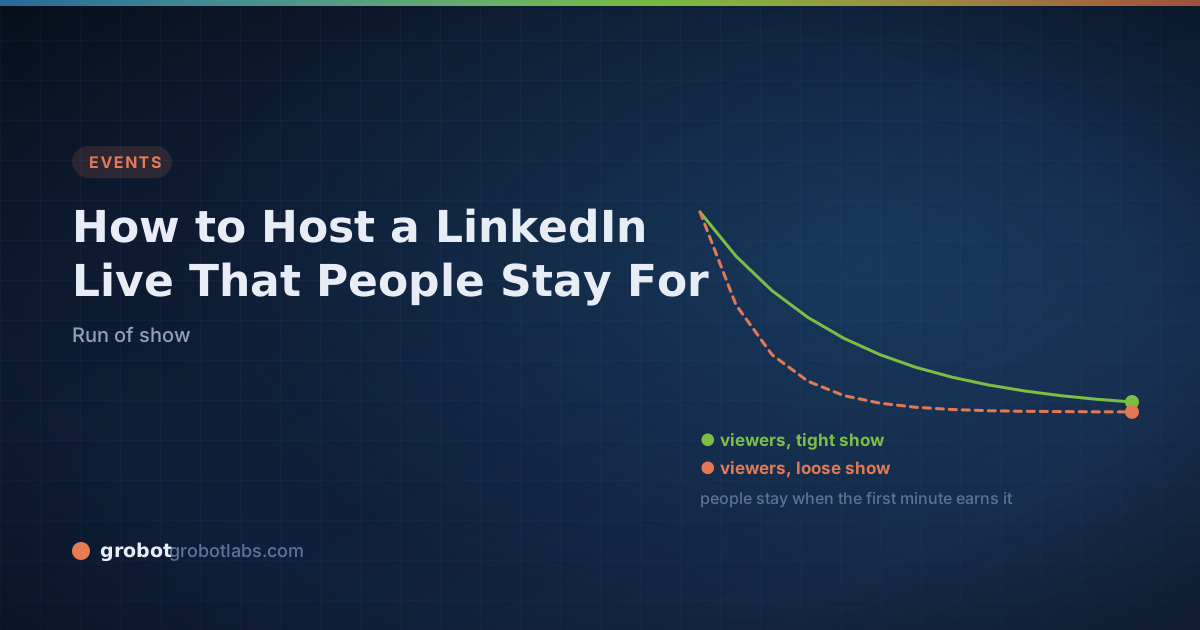
How to Host a LinkedIn Live That People Stay For
Live video is harder than it looks and worse at most jobs than a scheduled session. Here is when it is genuinely the right format, and how to run one that does not empty out.
Read More →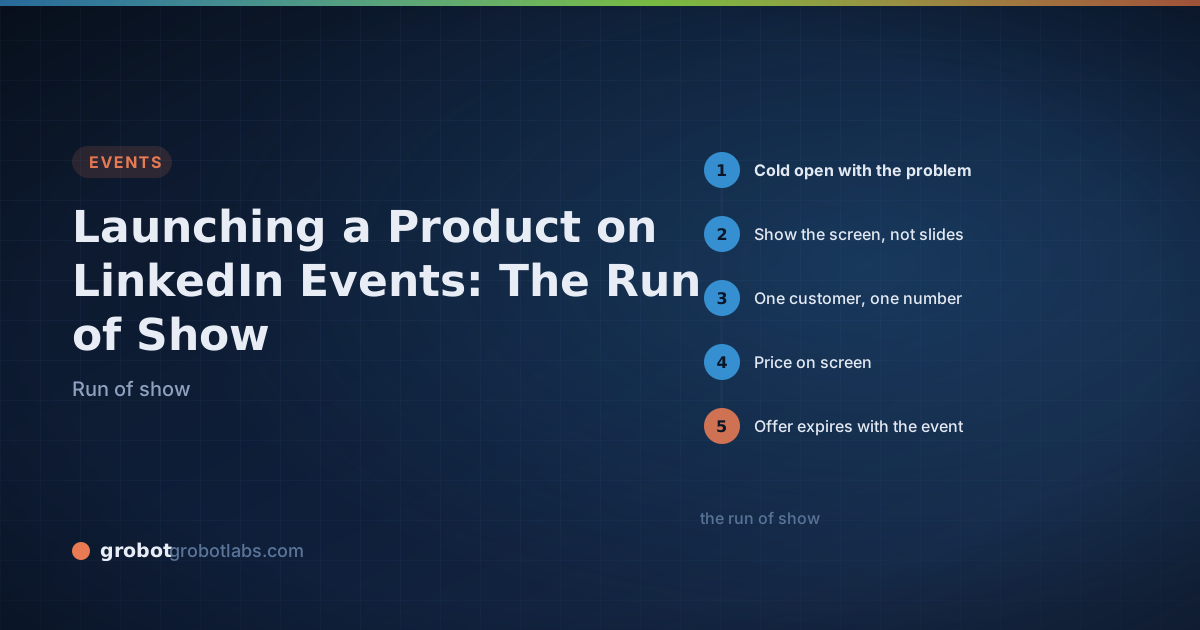
Launching a Product on LinkedIn Events: The Run of Show
A launch event is not an announcement with slides. It is a deadline that forces every other part of the launch to be ready, which is most of its value.
Read More →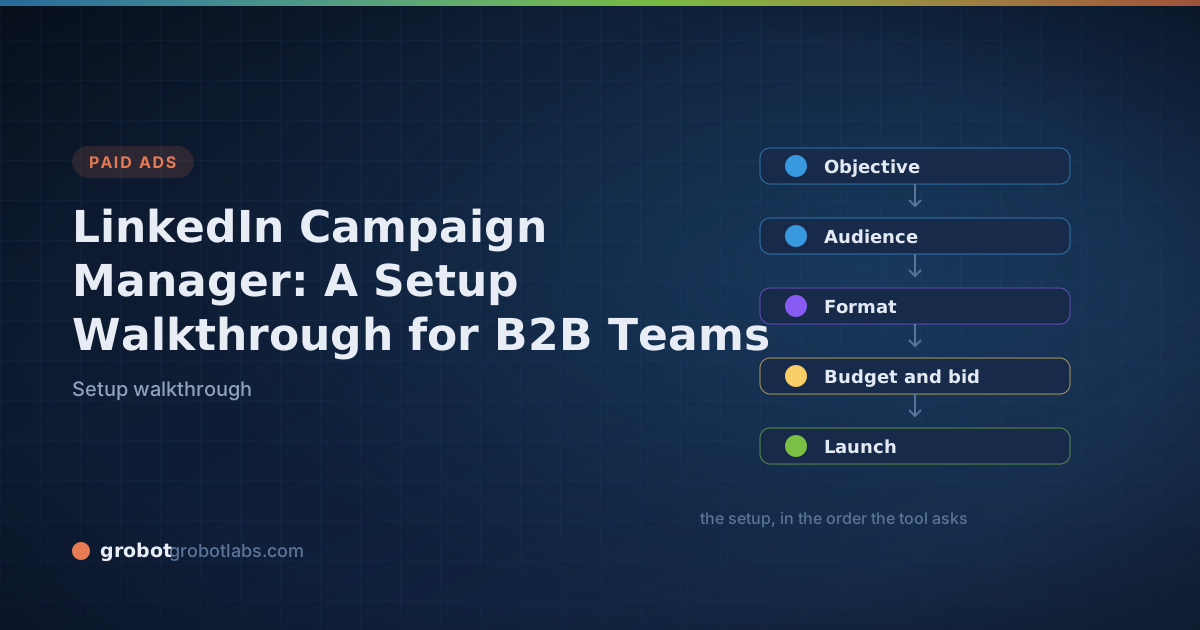
LinkedIn Campaign Manager: A Setup Walkthrough for B2B Teams
Campaign Manager has defaults that cost you money and a structure decision you make once. Here is the setup that avoids both.
Read More →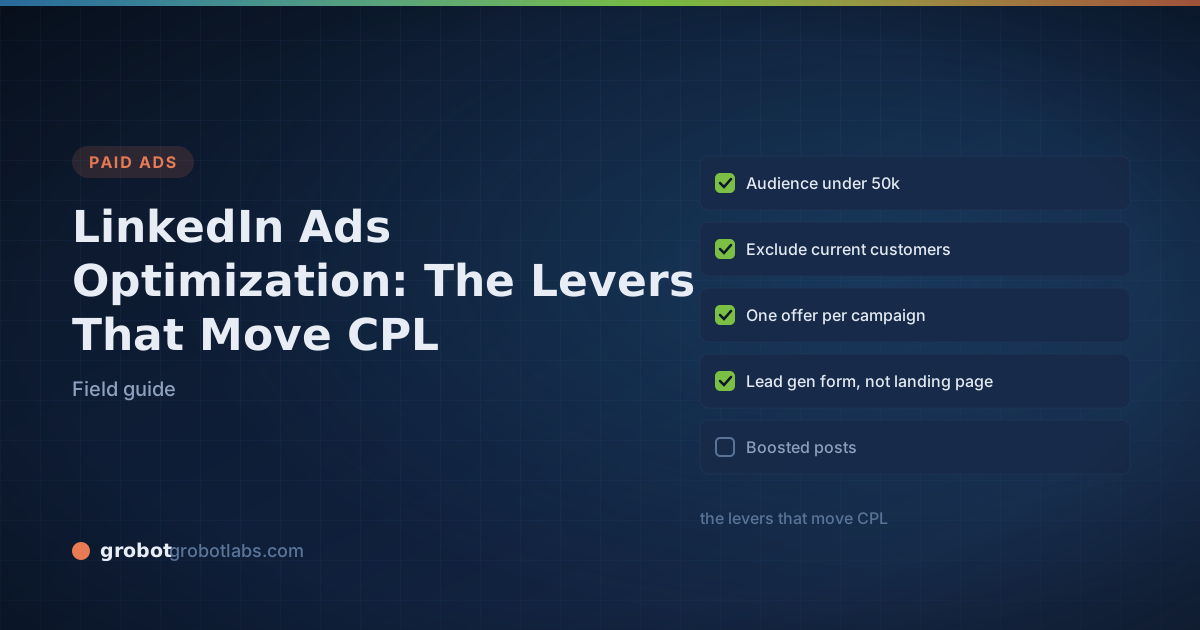
LinkedIn Ads Optimization: The Levers That Move CPL
Cost per lead on LinkedIn is mostly decided before the campaign launches. Four levers move it afterwards, and creative testing is not the first one.
Read More →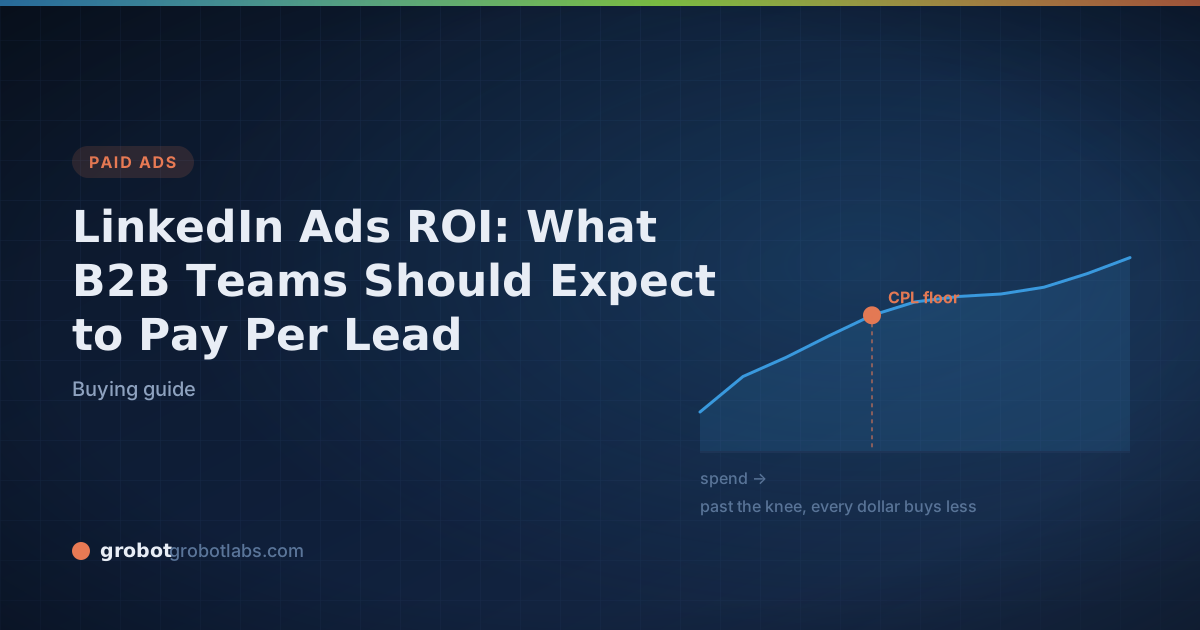
LinkedIn Ads ROI: What B2B Teams Should Expect to Pay Per Lead
LinkedIn ads ROI conversations stall because everyone compares cost per lead. The honest comparison is cost per qualified opportunity against what else that money could buy.
Read More →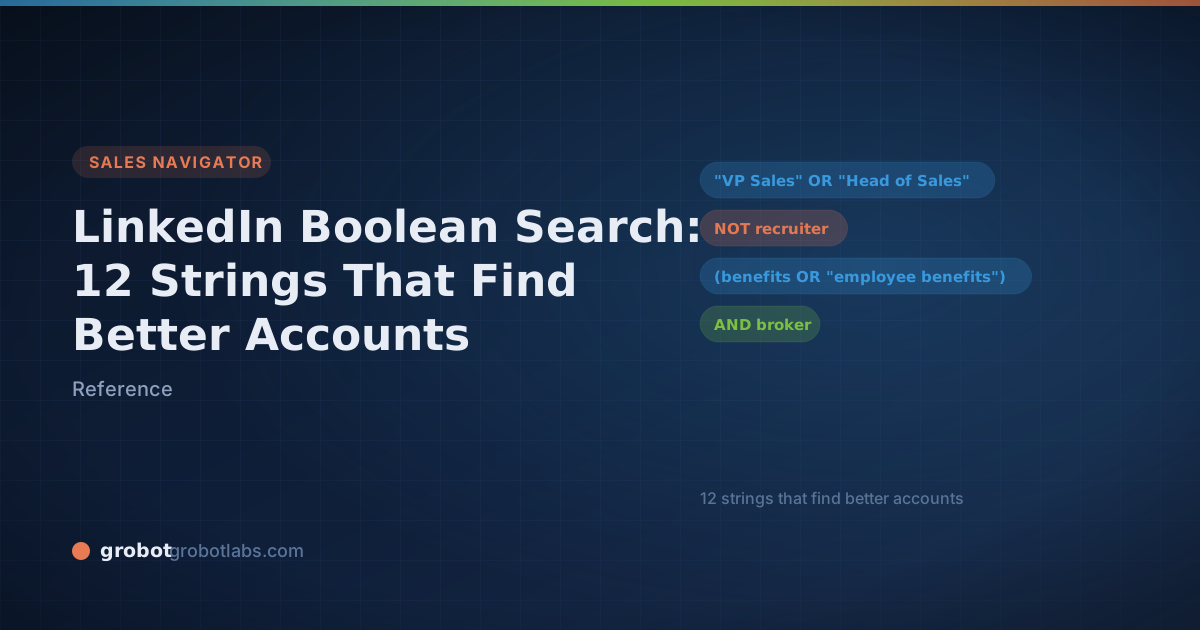
LinkedIn Boolean Search: 12 Strings That Find Better Accounts
The dropdowns encode LinkedIn's idea of your market. Boolean encodes yours, and the NOT clause is where most of the value is.
Read More →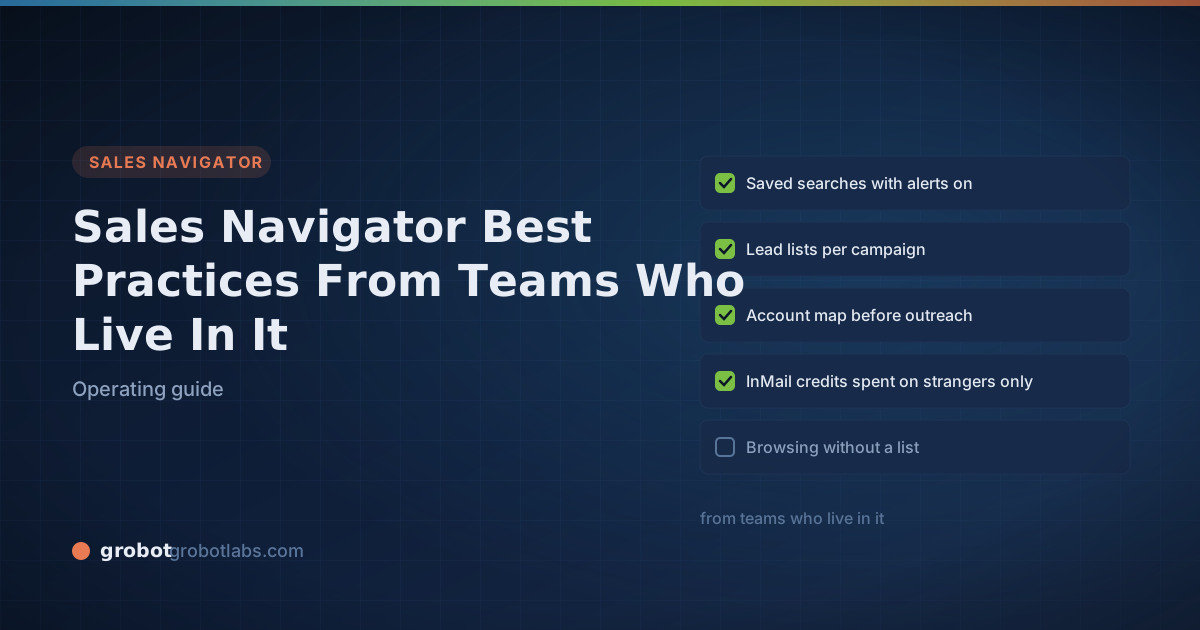
Sales Navigator Best Practices From Teams Who Live In It
Most Sales Navigator seats are used as a better search bar. The teams getting value from it use saved searches as an alerting system and never search at all.
Read More →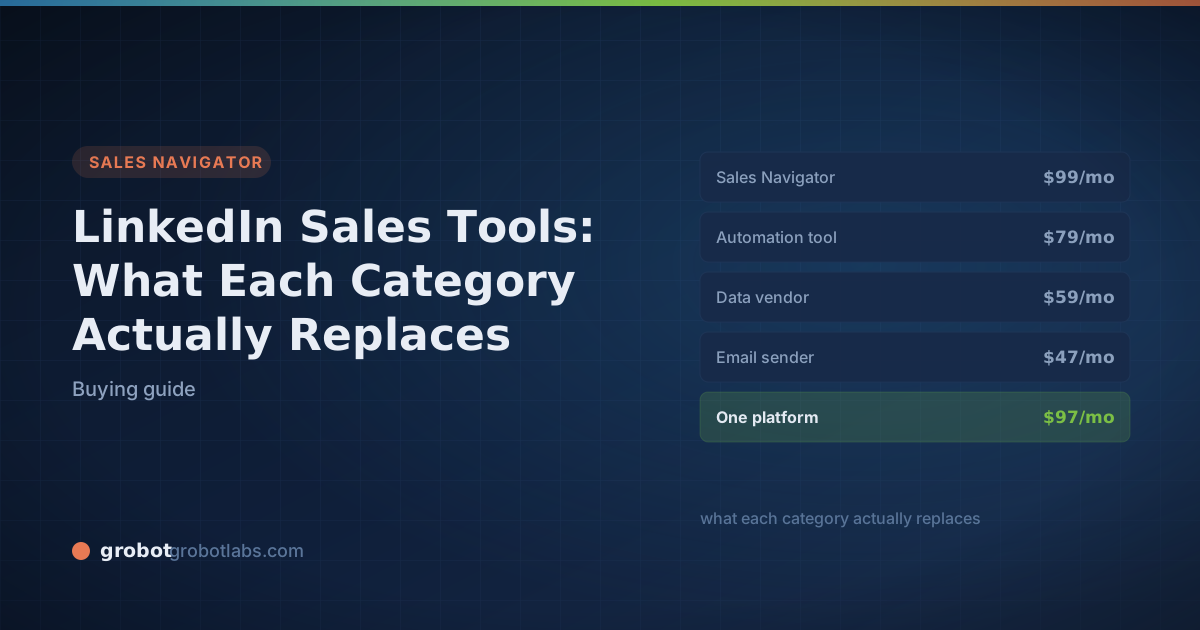
LinkedIn Sales Tools: What Each Category Actually Replaces
Tool comparisons list features. The more useful question is which of five jobs a tool does, because most stacks buy the same job twice and leave another one unfilled.
Read More →
B2B Keyword Research: Finding Terms With Buyers Behind Them
In B2B the best keywords have volumes so low that tools round them to zero. Optimizing for volume is how you end up ranking for terms your buyers never type.
Read More →
Winning Featured Snippets on B2B Queries (and AI Overviews)
The snippet and the AI answer reward the same thing: a passage that survives being removed from the page. Most B2B writing does not.
Read More →
B2B Backlinks: What Still Moves Rankings and What Gets You Burned
Most link building advice is either useless or against Google's policies, and the penalty for the second lands on you rather than the agency that sold it.
Read More →
Affordable SEO Strategies for Teams Without an Agency Retainer
Nearly all of the return available to a small B2B site comes from about five actions, none of which require a retainer and most of which take an afternoon.
Read More →
LinkedIn Headline Examples That Read Like a Value Prop
Your headline is the only line a prospect reads before deciding whether to accept your invitation. Most people spend it announcing their job title.
Read More →
The LinkedIn About Section, Written for Buyers Instead of Recruiters
Only the first two lines show before "see more." Most About sections spend them on a career summary nobody clicked to read.
Read More →
LinkedIn Company Page Setup That Earns Followers Worth Having
Company pages get a fraction of the reach a personal profile does, and chasing follower count is the wrong goal. They are still worth setting up properly, for four specific jobs.
Read More →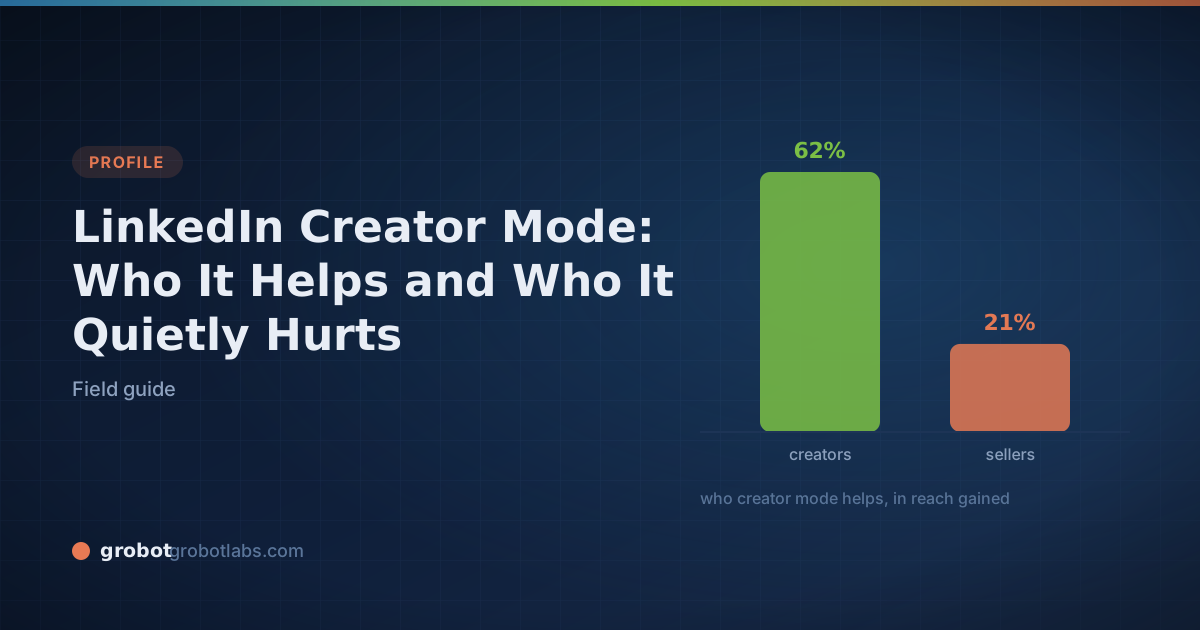
LinkedIn Creator Mode: Who It Helps and Who It Quietly Hurts
Creator mode rearranges your profile around content and makes Follow the default button. Both are good if you publish and bad if you do not.
Read More →
How to Write LinkedIn Posts: Structure, Hooks, and the First Two Lines
A LinkedIn post is two lines and a "see more" link. Everything you write after that is read by people who already decided to keep going.
Read More →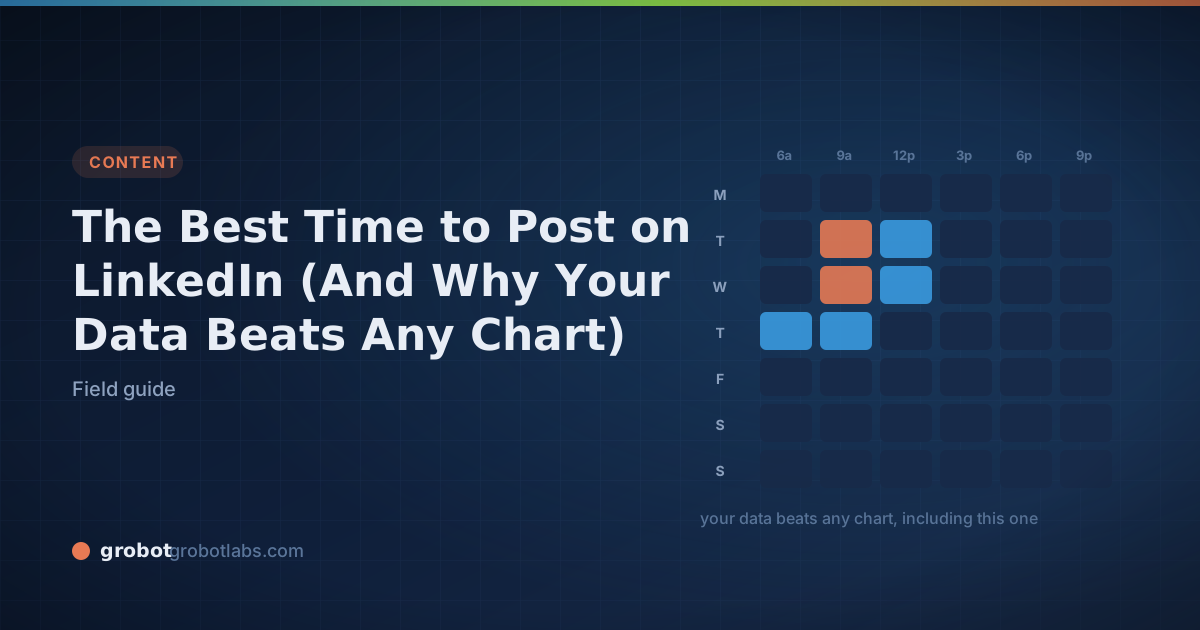
The Best Time to Post on LinkedIn (And Why Your Data Beats Any Chart)
Every best-time-to-post chart is an average across millions of accounts in every timezone and industry. Yours is not an average.
Read More →
LinkedIn Hashtags: What Changed and What Still Works
Hashtags were a real distribution channel on LinkedIn for a few years. They are not one now, and most hashtag advice is describing a platform that no longer exists.
Read More →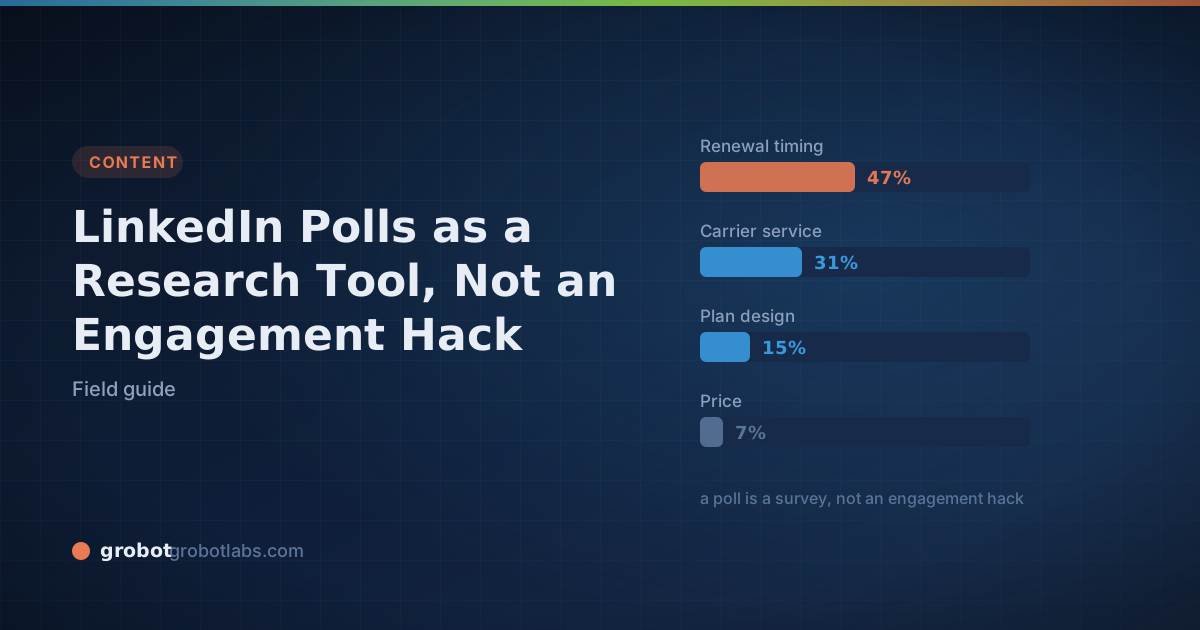
LinkedIn Polls as a Research Tool, Not an Engagement Hack
Polls reliably produce engagement and reliably produce nothing else, unless you treat the votes as data rather than as a metric.
Read More →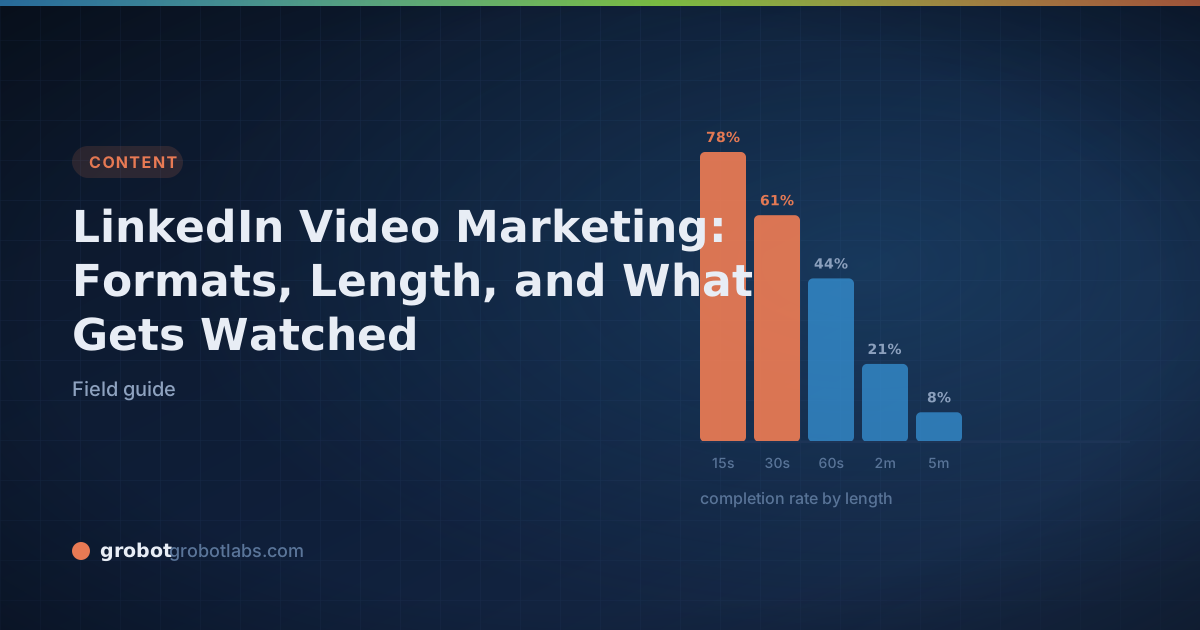
LinkedIn Video Marketing: Formats, Length, and What Gets Watched
Video gets recommended as a universal upgrade. It is better than text at three specific jobs and worse at most others, and the difference is not subtle.
Read More →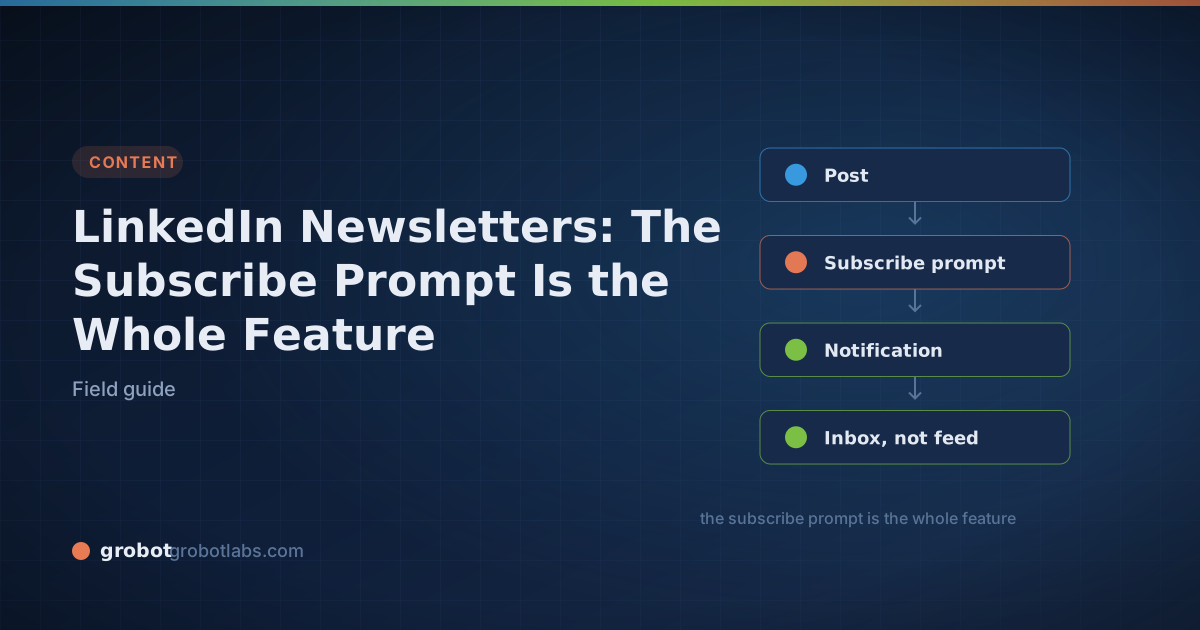
LinkedIn Newsletters: The Subscribe Prompt Is the Whole Feature
A LinkedIn newsletter is a post with a notification attached. That one mechanic is worth more than everything else about the format combined.
Read More →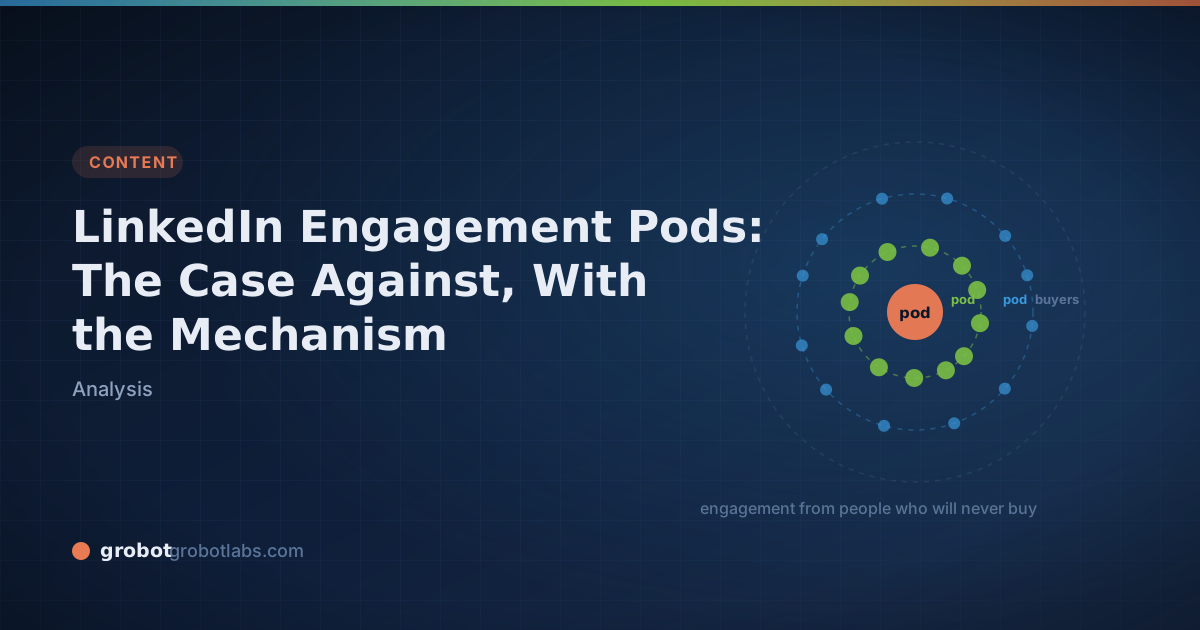
LinkedIn Engagement Pods: The Case Against, With the Mechanism
Pods work, in the narrow sense that they increase the number that does not matter while damaging the distribution that does.
Read More →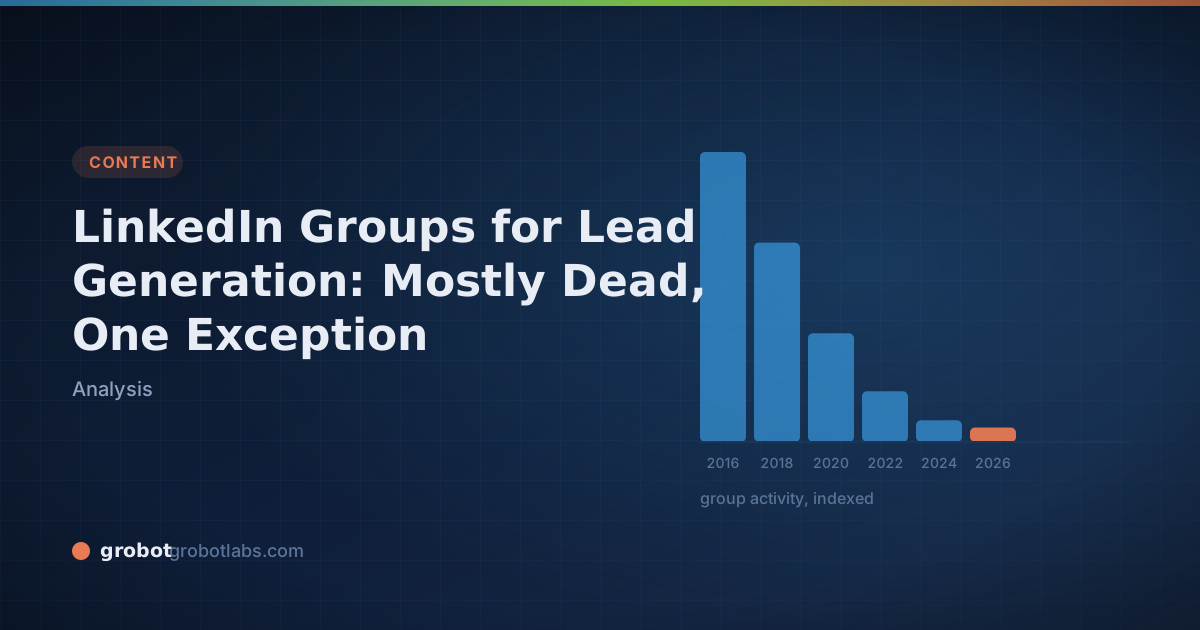
LinkedIn Groups for Lead Generation: Mostly Dead, One Exception
LinkedIn Groups were a genuine channel a decade ago. Most advice about them was written then and has been copied forward ever since.
Read More →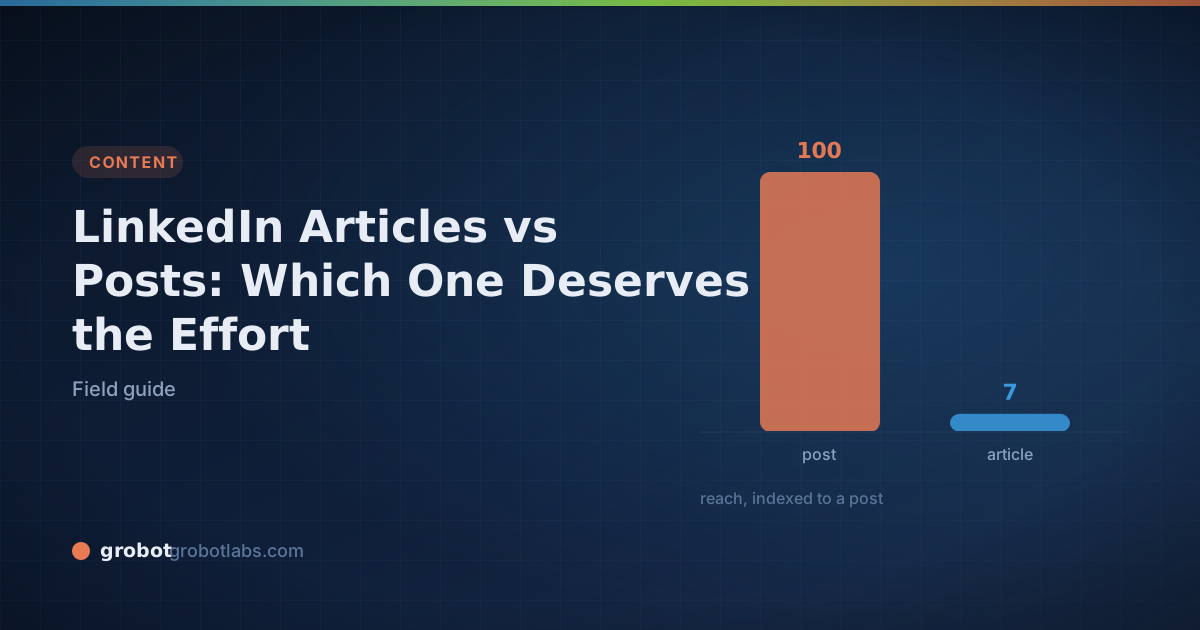
LinkedIn Articles vs Posts: Which One Deserves the Effort
Articles get a fraction of the reach of posts and take five times the effort. There are three cases where that trade is worth making.
Read More →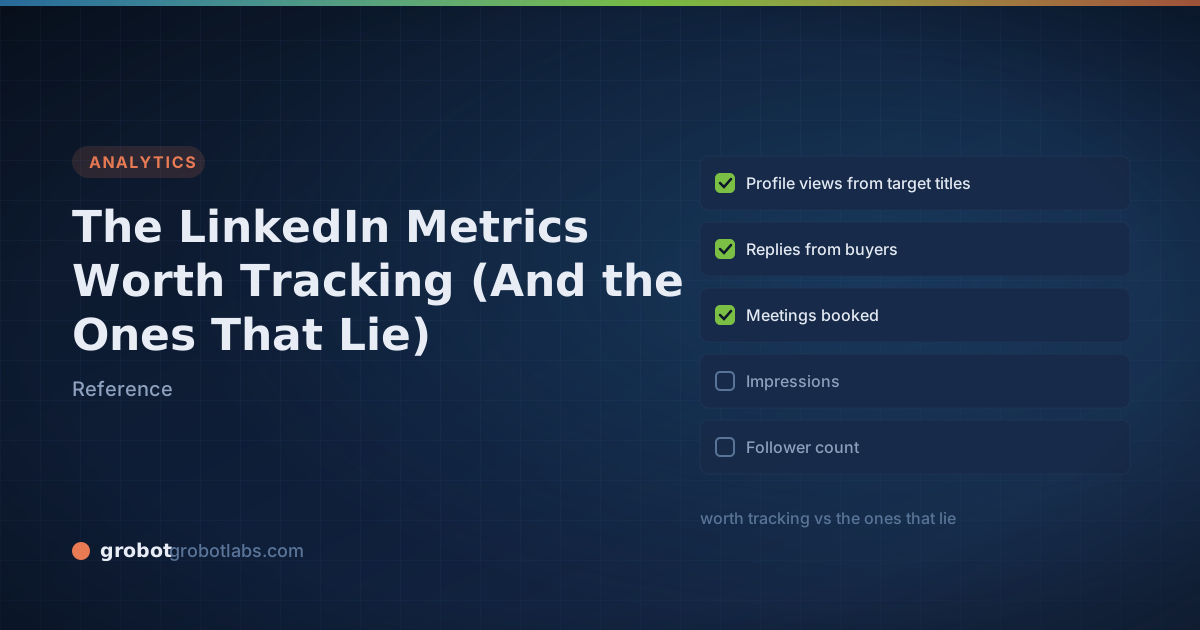
The LinkedIn Metrics Worth Tracking (And the Ones That Lie)
LinkedIn gives you a dozen metrics. Three predict revenue. The rest exist because they are easy to count, and two of them push your content in the wrong direction.
Read More →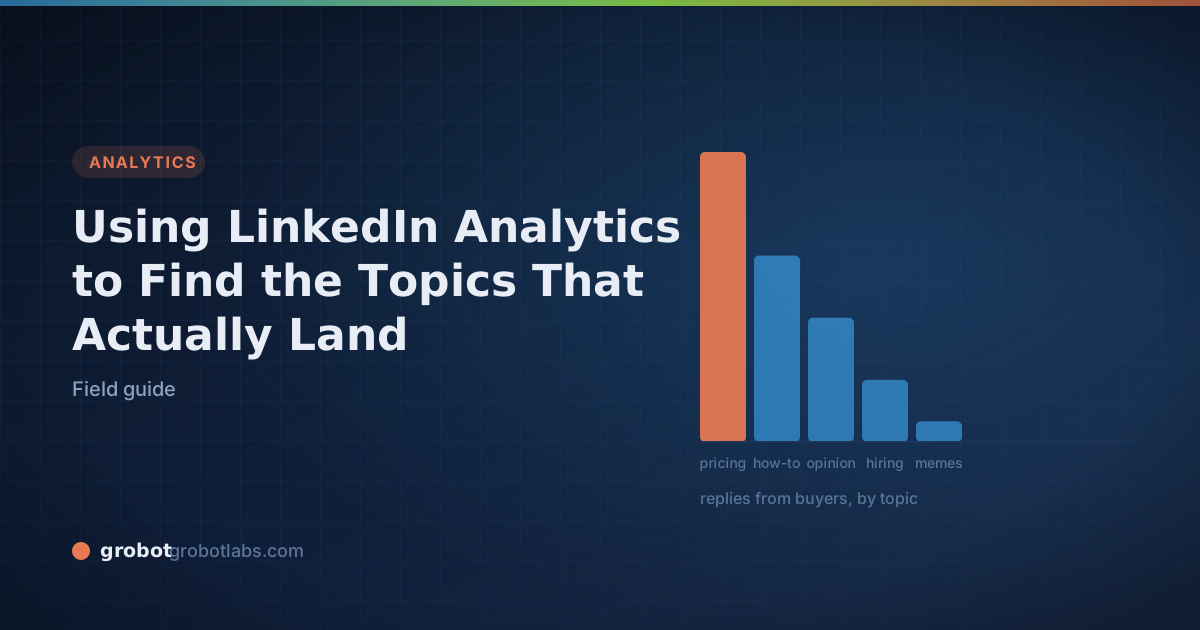
Using LinkedIn Analytics to Find the Topics That Actually Land
Your last fifty posts are a free research dataset about what your market cares about. Almost nobody reads it, and the people who do usually read the wrong column.
Read More →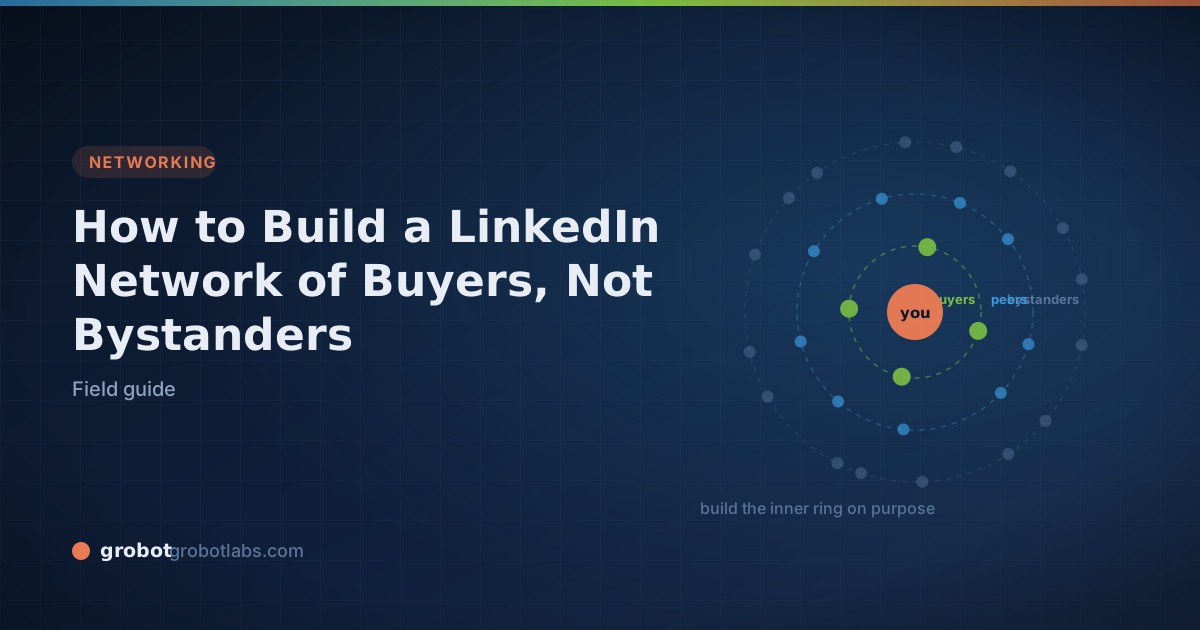
How to Build a LinkedIn Network of Buyers, Not Bystanders
A network of 500 people who could buy from you is worth more than 8,000 mixed, and it is also easier to build, because you are not trying to impress anyone.
Read More →
LinkedIn Recommendations: How to Ask Without the Awkwardness
Recommendations are the most underused proof on LinkedIn, mostly because asking feels awkward. The awkwardness comes from asking badly.
Read More →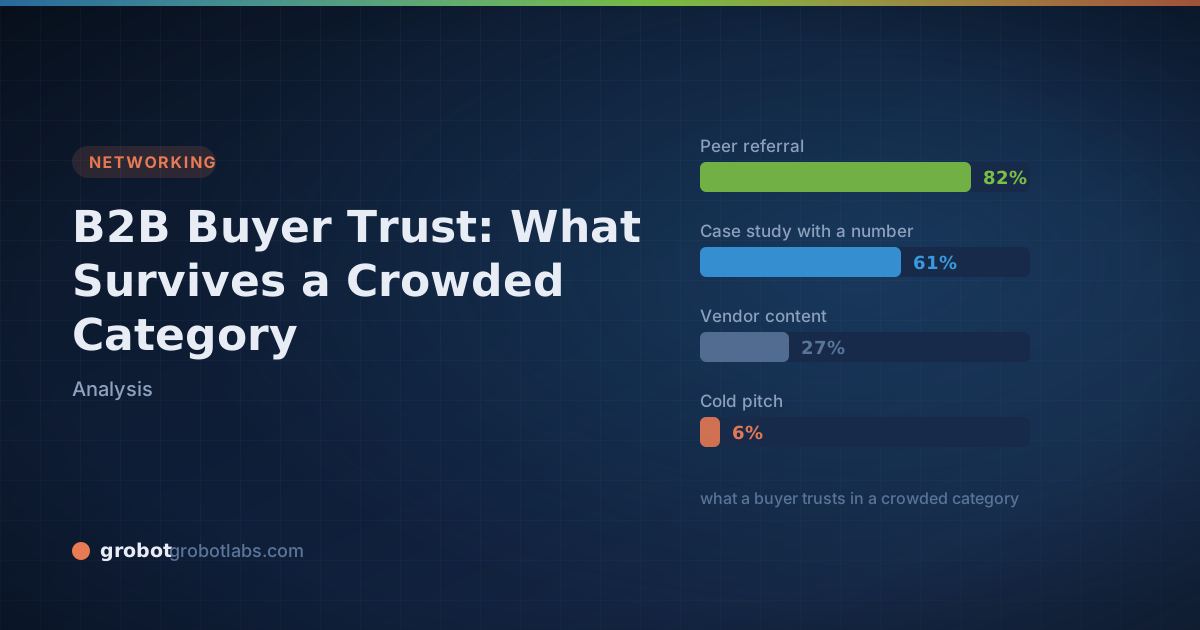
B2B Buyer Trust: What Survives a Crowded Category
A B2B buyer is not deciding whether you are honest. They are estimating how bad it will be for them personally if this goes wrong.
Read More →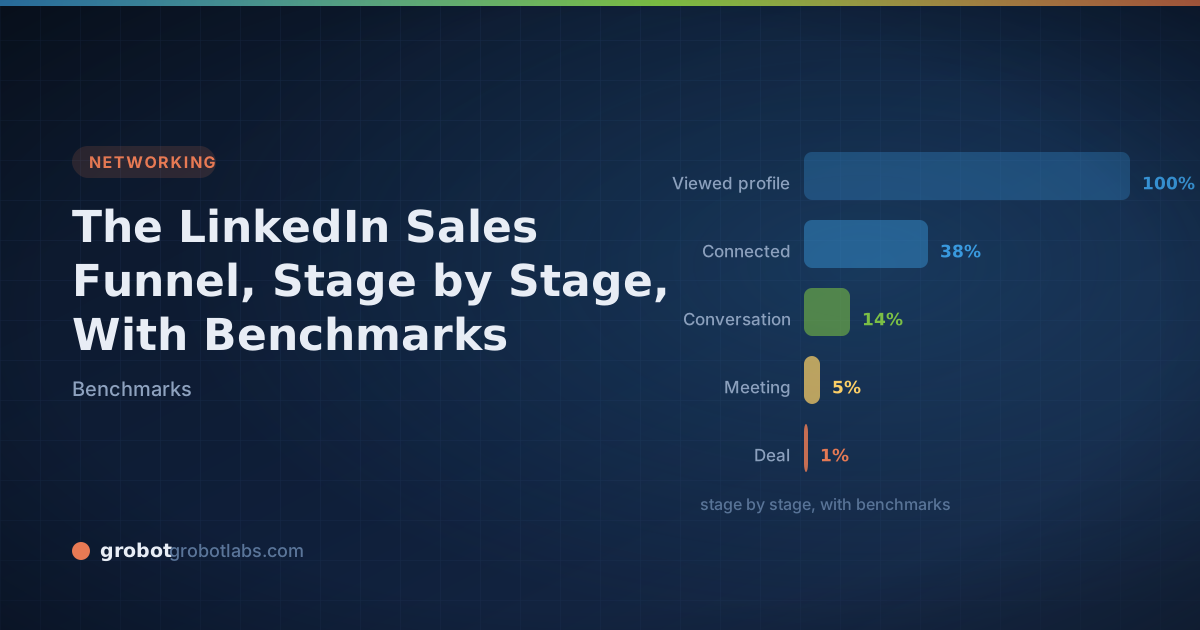
The LinkedIn Sales Funnel, Stage by Stage, With Benchmarks
Run the numbers through a LinkedIn funnel and you get an uncomfortable but useful answer about what one seat can actually deliver.
Read More →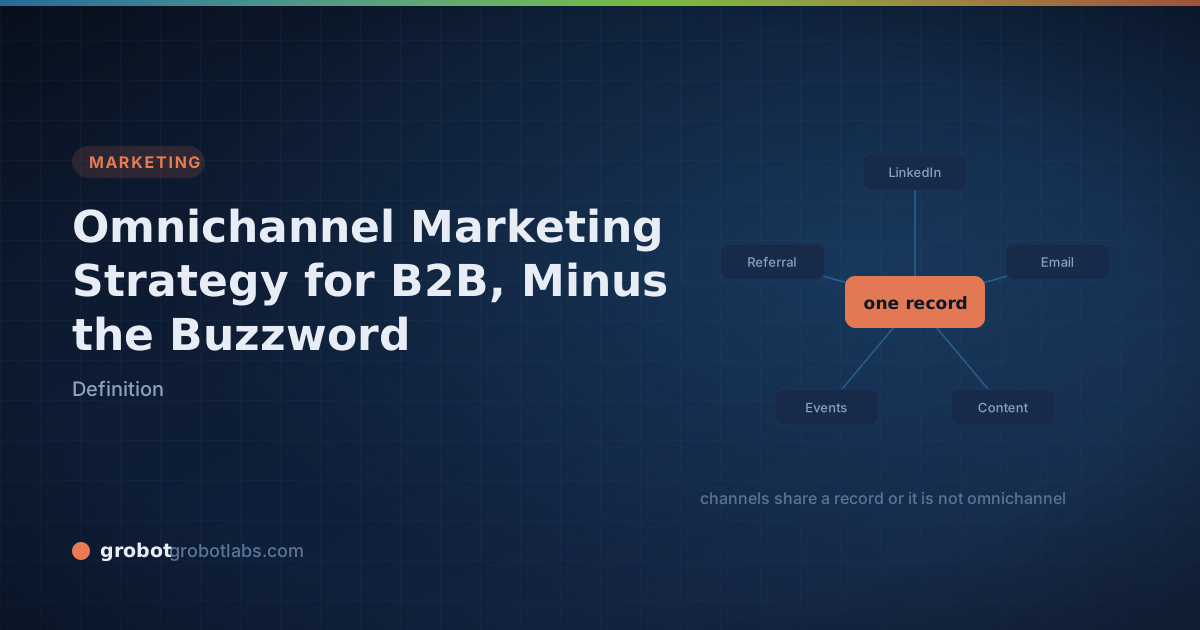
Omnichannel Marketing Strategy for B2B, Minus the Buzzword
Omnichannel and multichannel get used interchangeably. There is one real difference and it is a systems difference, not a marketing one.
Read More →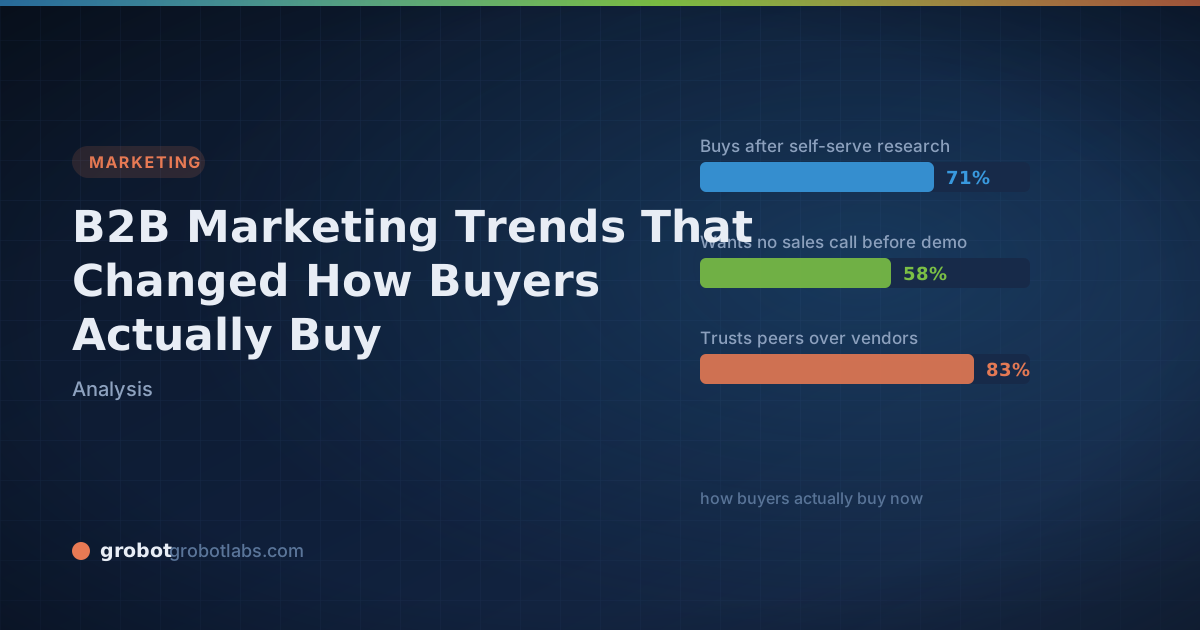
B2B Marketing Trends That Changed How Buyers Actually Buy
A trend list is only useful if each item changes an allocation. These five do; three commonly cited ones do not.
Read More →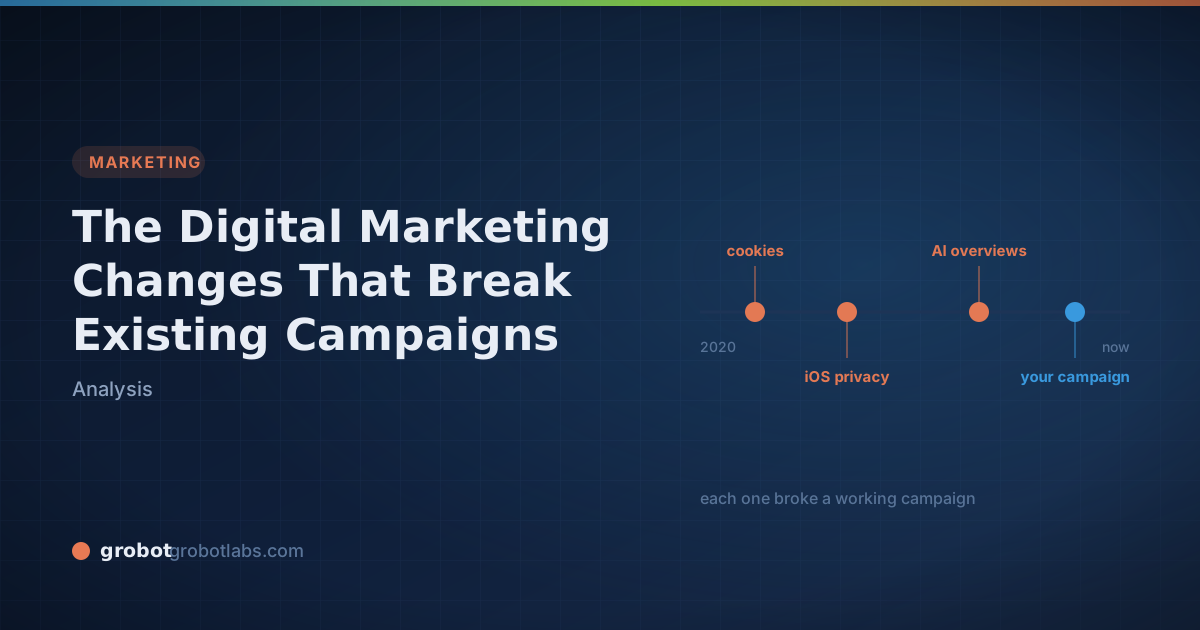
The Digital Marketing Changes That Break Existing Campaigns
The dangerous platform changes are not the ones that stop working. They are the ones that keep reporting a number that no longer means anything.
Read More →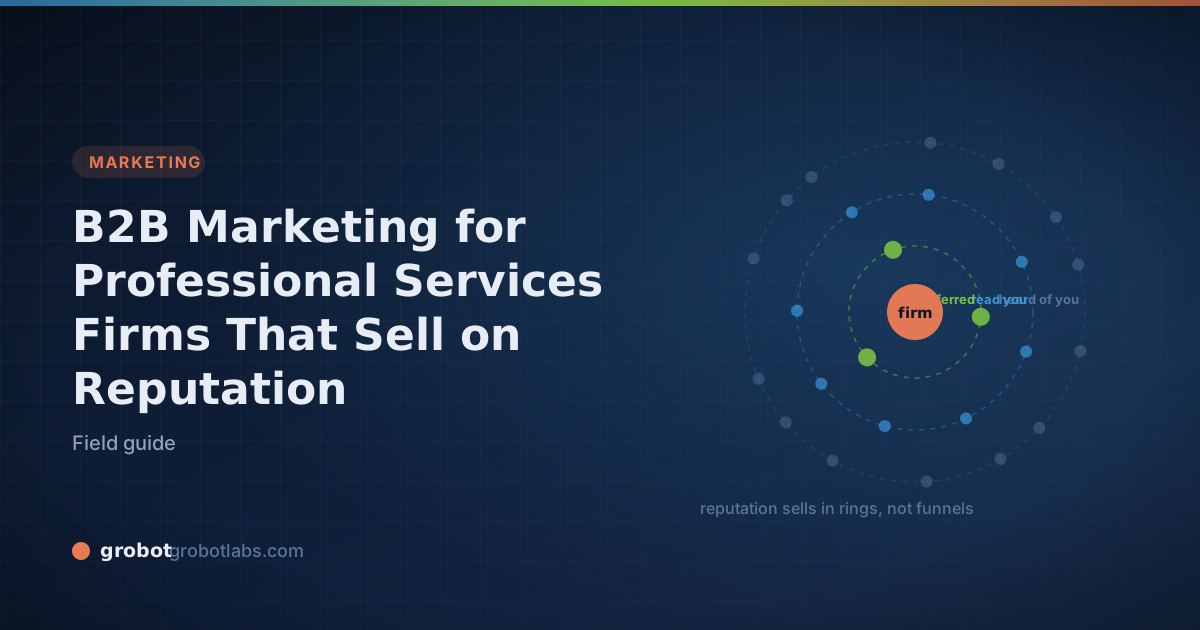
B2B Marketing for Professional Services Firms That Sell on Reputation
When the product is people, the buyer is not evaluating a feature list. They are estimating whether you will make them look good, which changes what marketing is for.
Read More →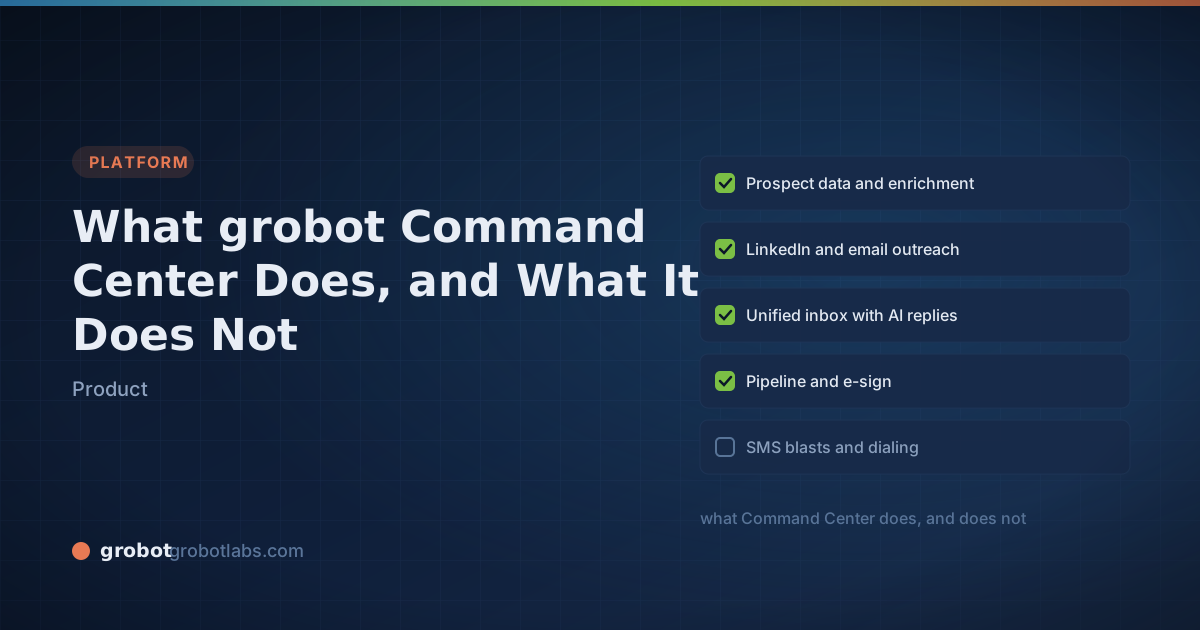
What grobot Command Center Does, and What It Does Not
A product page written as though you were going to check. What it replaces outright, what it partly covers, and what you should keep paying someone else for.
Read More →